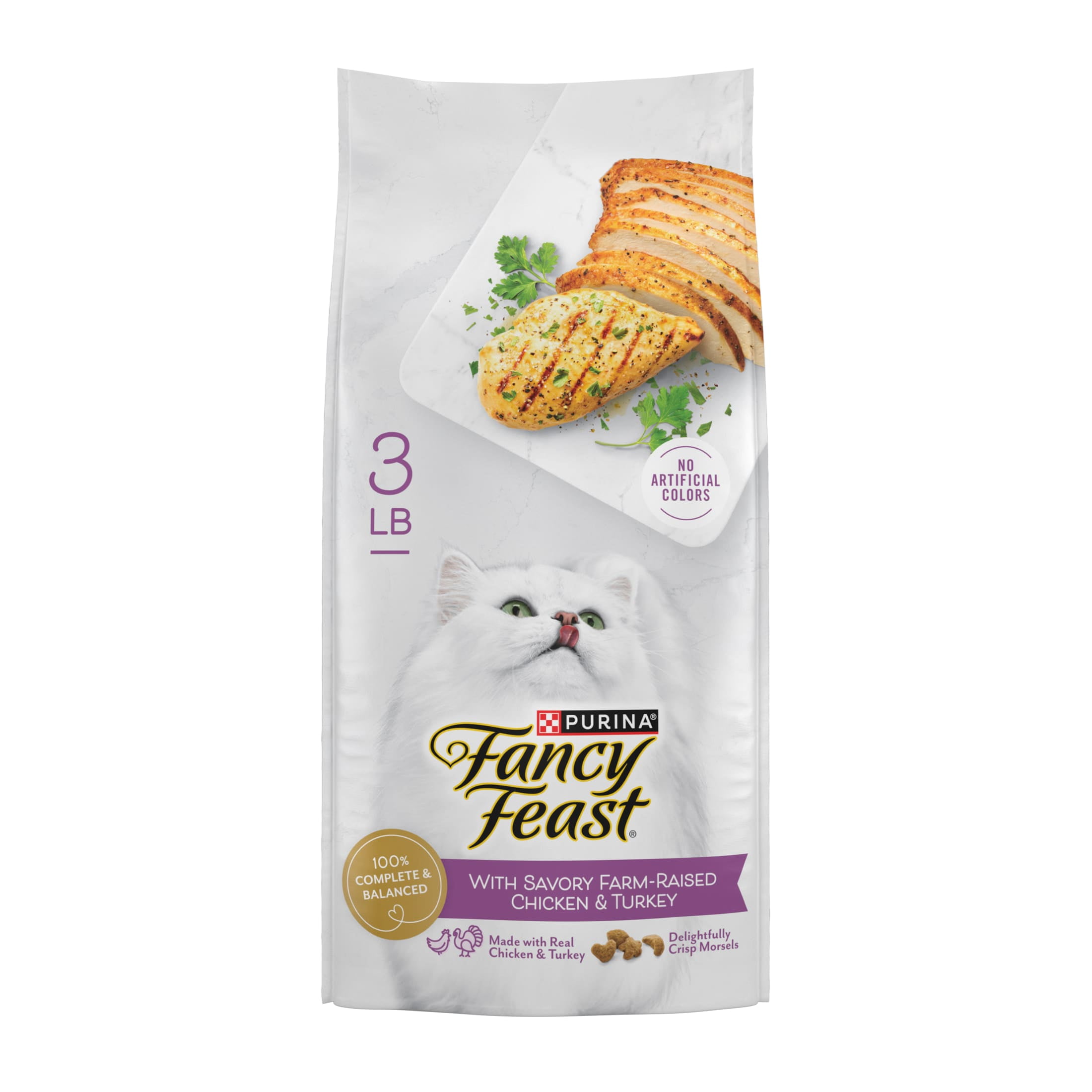
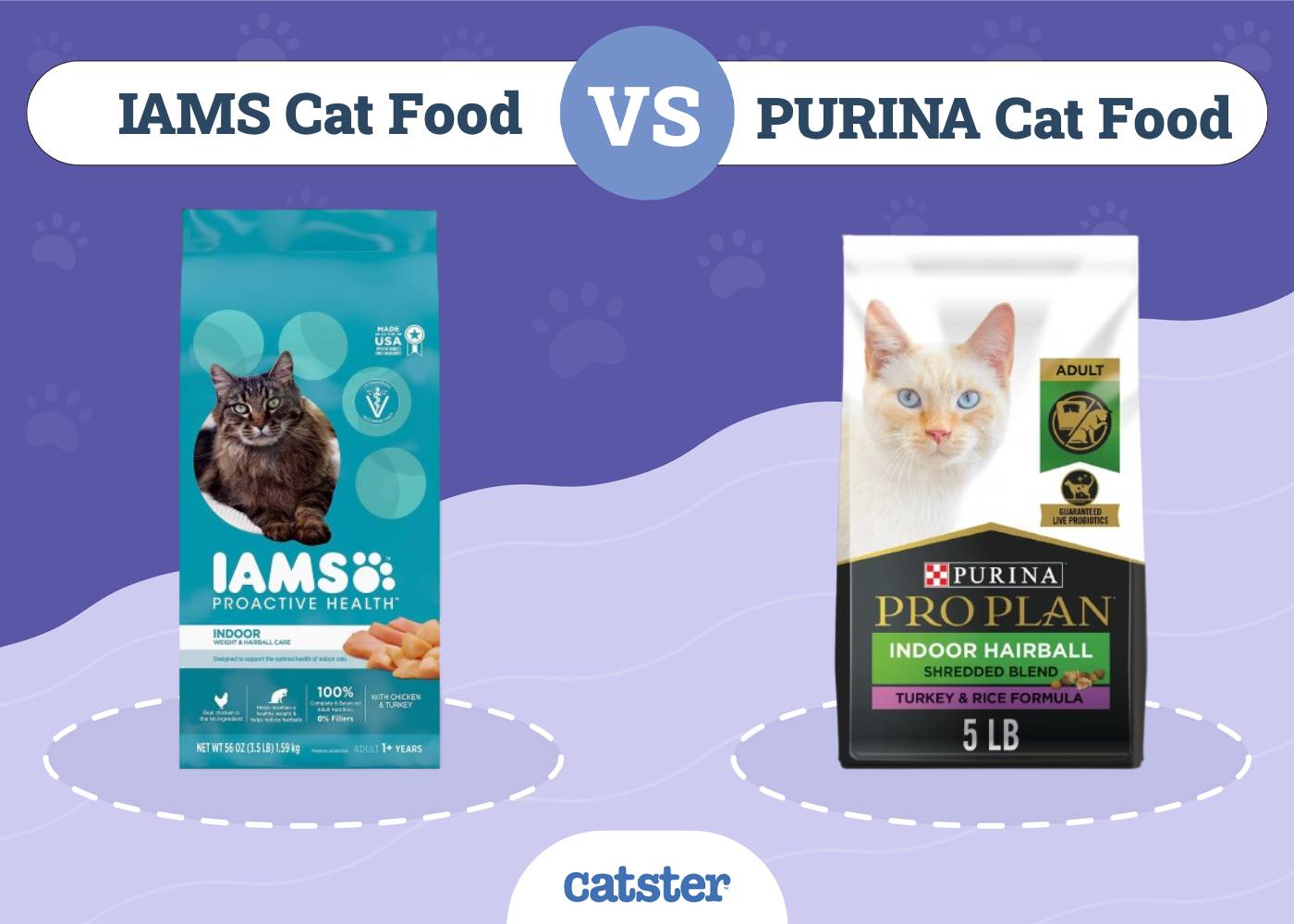
Iams vs Purina Cat Food: Both are reputable; choice depends on ingredients, your cat’s needs, and budget.
I’ve worked with many cat owners and tested multiple diets, and I can help you make a calm, clear choice between Iams vs Purina Cat Food. This article breaks down ingredients, life-stage formulas, value, palatability, and safety, with real-world tips and step-by-step guidance so you can pick the best option for your cat.
Why compare Iams vs Purina Cat Food
Choosing between Iams vs Purina Cat Food matters because daily nutrition shapes your cat’s health, energy, and longevity. Both brands offer a wide range of formulas for kittens, adults, and seniors, but they differ in ingredient emphasis, price, and specialty options.
I will explain those differences clearly so you can match a formula to your cat’s needs and lifestyle.
Source: catster.com
Ingredients and nutrition comparison for Iams vs Purina Cat Food
Ingredients and guaranteed analyses are the heart of any cat-food decision. Look for named animal proteins, reasonable fat for energy, and added vitamins and minerals. Below are key comparison points that matter when evaluating Iams vs Purina Cat Food.
- Protein sources and labeling. Iams often highlights chicken or poultry meal in many formulas. Purina offers a wider range of recipes, some with named meats and some with mixed protein blends.
- By-products and organ meats. Both brands use by-products in some lines, which can be nutrient-dense but vary in quality. Check the specific formula label for clarity.
- Grain vs grain-free options. Purina and Iams sell both grain-containing and grain-free options. Grain-free is not always better; it’s one option among many.
- Added nutrients and functional ingredients. Both offer formulas with taurine, omega fatty acids, and probiotics in select lines. Look for life-stage and health-specific nutrients such as higher protein for kittens or joint support for seniors.
- Guaranteed analysis. Compare crude protein, fat, fiber, and moisture on the label. Iams vs Purina Cat Food show a range; pick the one that matches your cat’s activity and metabolic needs.
When you compare Iams vs Purina Cat Food, read the ingredient list and the guaranteed analysis, not just the marketing claims. AAFCO feeding statements on the bag are important; they confirm the food meets minimum nutritional standards for a given life stage.
Life stages, formulas, and special diets
Iams vs Purina Cat Food both address life stages and conditions. Choosing the right life-stage formula helps avoid deficiencies or excess calories.
- Kitten formulas. Higher protein and fat to support growth. Both brands offer dedicated kitten recipes.
- Adult maintenance. Balanced calories and nutrients for steady weight. Many Iams and Purina adult formulas focus on lean muscle support.
- Senior and reduced-calorie options. Lower calories, added joint support, or senior-focused nutrients appear in both brands.
- Weight management and urinary health. Both brands have specialized formulas to support weight control or urinary care.
- Wet versus dry forms. Purina has a larger wet-food line overall. Iams offers several wet formulas but is known mainly for dry kibble in many markets.
When deciding between Iams vs Purina Cat Food for a specific condition, talk to your vet. Some medical issues require prescription diets that neither brand provides in standard retail lines.
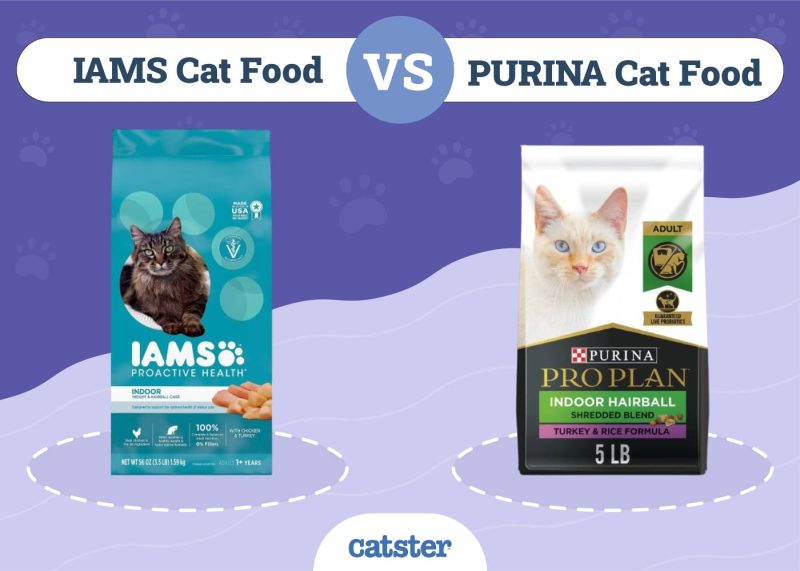
Source: catster.com
Price, value, and availability
Cost and convenience matter for long-term feeding. Iams vs Purina Cat Food vary in price by formula, retailer, and region.
- Price per pound. Iams often targets the mid-price segment; Purina spans budget to premium lines. Compare price per pound or per calorie to evaluate value.
- Package sizes and promotions. Both brands run coupons, subscriptions, and loyalty deals. Buying in bulk or subscribing online reduces weekly cost.
- Availability. Purina products are widely available in grocery stores, mass retailers, and online. Iams is common in pet stores and many retail outlets, though specific formulas may be easier to find through pet supply chains.
Value is not only cost. Consider palatability, digestibility, and how long a bag lasts with your cat. A cheaper food that your cat eats less of or that causes digestive issues may end up costing more.

Source: designindaba.com
Palatability, digestibility, and health outcomes
Taste and digestion determine whether a cat will accept and thrive on a food. My experience shows that individual preference often overrides brand reputation.
- Palatability. Purina lines often score high in taste tests across many cats. Iams formulas are also palatable but some cats may prefer one brand over the other.
- Digestibility and stool quality. Some formulas produce firmer, smaller stools. If your cat has loose stools on one brand, try a different formula or protein source.
- Allergies and sensitivities. Food sensitivities are individual. If your cat has persistent itching, hair loss, or digestive upset on Iams vs Purina Cat Food, switch proteins or consult a vet for allergy testing.
- Long-term health outcomes. Consistent, balanced nutrition supports healthy weight, coat, and dental health. Both brands can meet those needs if you choose an appropriate formula.
From personal testing, rotating limited formulas slowly and watching stool consistency and coat condition for 2–3 weeks gives a good sense of how well a diet works.
Safety, recalls, and quality control
Quality control matters. Both Iams vs Purina Cat Food operate large manufacturing systems that aim for safety, but recalls can happen.
- Recalls and transparency. Recall histories differ by time and product. Neither brand is immune to isolated issues, and both usually offer clear guidance when problems arise.
- Manufacturing standards. Look for brands that follow strict quality control, supplier checks, and third-party audits. AAFCO compliance is a baseline for safety and nutrition.
- Shelf-life and storage. Store kibble in a cool, dry place and use sealed containers to maintain freshness and reduce spoilage.
Be realistic: no brand is perfect. Monitor your cat, register pet food for recall alerts, and keep receipts and batch numbers for quick follow-up if needed.
How to choose between Iams vs Purina Cat Food: practical steps
Follow a simple process to choose and evaluate food. Use these steps to compare Iams vs Purina Cat Food for your cat.
- Read the label for protein sources and guaranteed analysis.
- Match formula to life stage and health needs.
- Consider price per day, not just bag price.
- Transition slowly over 7–10 days while monitoring appetite, stool, and energy.
- Consult your vet before switching if your cat has health issues.
Will switching from Iams to Purina upset my cat’s stomach?
A sudden switch can cause mild digestive upset. Transition gradually over a week and monitor for vomiting or loose stools.
Which brand is better for picky eaters: Iams vs Purina Cat Food?
Many picky eaters lean toward select Purina wet or flavored lines, but individual preference varies. Try small samples or trial-size bags to test acceptance.
Can I use Iams or Purina for a cat with food sensitivities?
Some limited-ingredient or single-protein formulas help identify triggers. For chronic sensitivities, work with your vet on an elimination diet or prescription option.
Source: reddit.com
Personal experience, tips, and common mistakes
I’ve fed both Iams vs Purina Cat Food in multi-cat homes and advised clients on transitions. Here are direct tips from those experiences.
- Start with a small bag or sample packs to test acceptance and digestion.
- Watch the litter box and coat condition closely for two weeks after a change.
- Avoid rotating many formulas at once; changes should be gradual and purposeful.
- If your cat gains or loses weight unexpectedly on Iams vs Purina Cat Food, log calories and consult your vet.
A mistake I made early on was switching foods too quickly after a negative reaction. Slow, deliberate changes save stress for you and your cat.
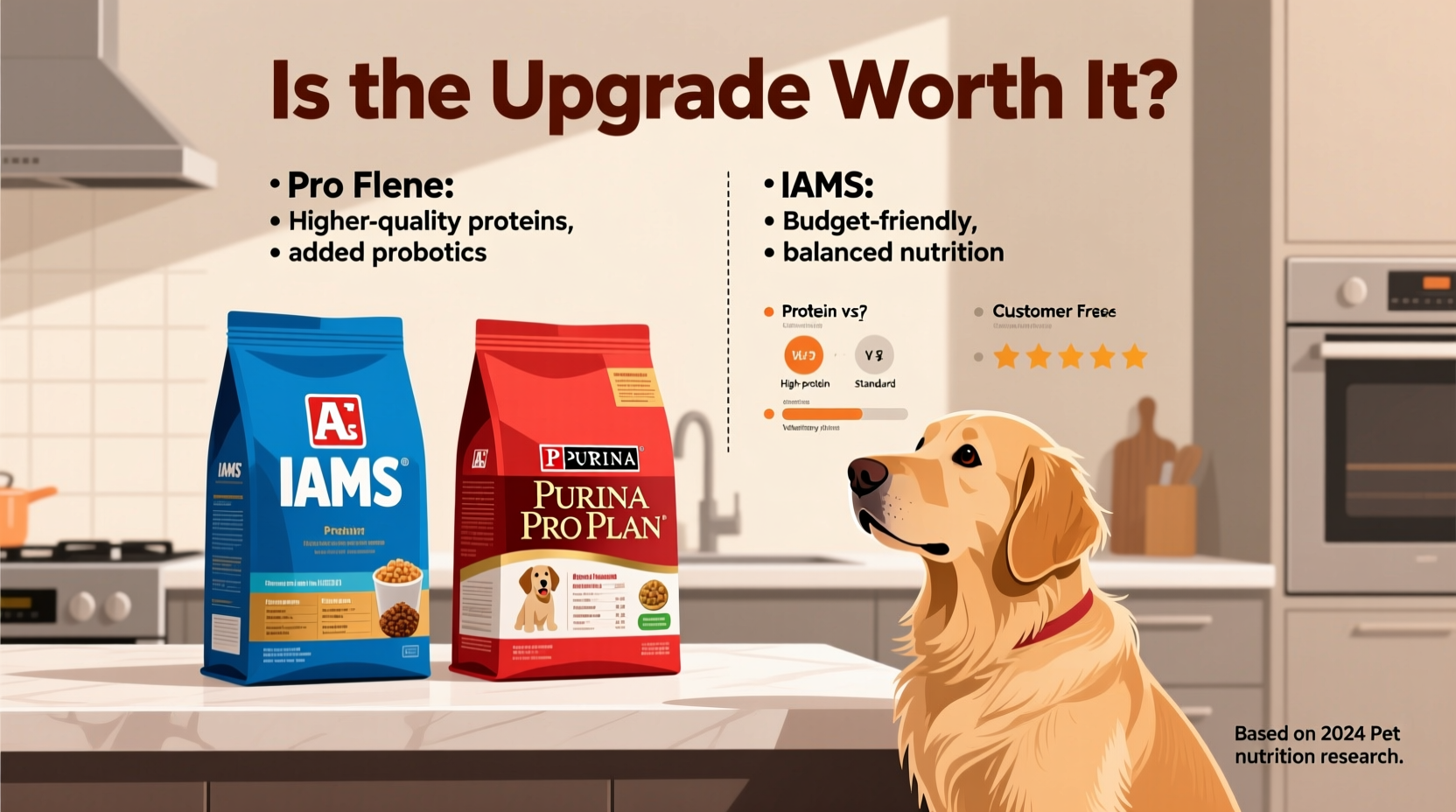
Source: alibaba.com
Frequently Asked Questions of Iams vs Purina Cat Food
Is Iams better than Purina for indoor cats?
Both offer indoor-specific formulas that control hairballs and calories. Which is better depends on your cat’s response and your budget.
Are Purina diets more natural than Iams?
Purina has lines marketed as natural and others that are more budget-friendly; Iams also offers targeted recipes. “Natural” is a marketing term, so read ingredient lists and nutritional content.
Can kittens eat adult formulas from Iams or Purina?
Kittens need higher protein and calories. Use a dedicated kitten formula until at least 12 months, unless your vet advises otherwise.
How long should I wait to see results after switching brands?
Expect to monitor for two to four weeks for coat, stool, and energy changes. Acute reactions may appear within a few days, while full benefits may take longer.
Do either brand cause allergies more often?
Allergic reactions depend on proteins and individual cats. Both Iams vs Purina Cat Food include formulas that may trigger or avoid triggers; if allergies persist, consult a vet.
Conclusion
Choosing between Iams vs Purina Cat Food comes down to ingredients, your cat’s life stage, and real-world factors like taste and cost. Use label reading, slow transitions, and vet input to find the right match.
Try small tests, track results, and adjust as needed—your cat’s health and happiness is the best guide. Share your experience below, subscribe for more pet nutrition tips, or ask a question so I can help you choose the best formula.

His professional interests include humane education, ethics, small animal behavior, and veterinary. As a pet lover from school life, having grown up with two cats and a dog. If he isn’t spending time with his friends and family, Justin enjoys traveling. Learn more about Justin here.