Purina Pro Plan vs Royal Canin: Both are strong choices; pick based on your pet’s needs, vet advice, and budget.
I have worked with dogs and cats for years and tested many foods. I know how confusing Purina Pro Plan vs Royal Canin can feel. This article breaks down ingredients, nutrition, clinical uses, palatability, cost, and real-world tips. Read on to get a clear, practical view so you can choose the best food for your pet.
Overview: Purina Pro Plan vs Royal Canin
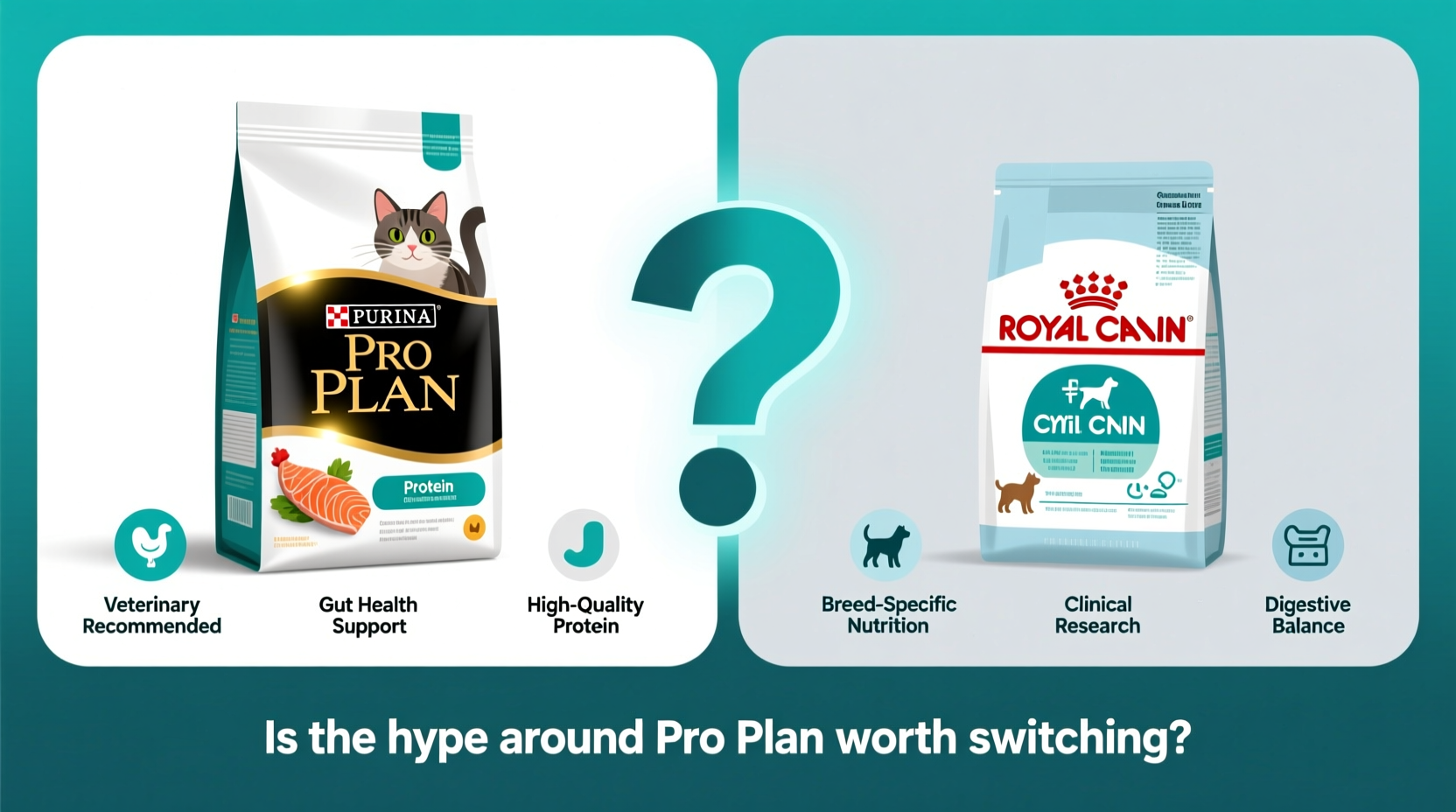
Purina Pro Plan vs Royal Canin are two top pet food lines. Each brand has a clear focus. Purina Pro Plan aims at broad performance nutrition and value. Royal Canin food focuses on breed, size, and veterinary-targeted formulas.
Both brands follow AAFCO guidelines for complete nutrition. Both offer dry and wet foods, and both make veterinary diets. The main difference lies in formulation focus and how targeted the diets are.
Ingredients and formulation differences
Understanding ingredients helps you pick the right food for your pet. Here are the main areas to watch.
- Protein sources and quality. Purina Pro Plan often uses named meat meals and poultry. Royal Canin frequently uses targeted proteins and precise blends tuned by nutritionists.
- Carbohydrates and grains. Purina Pro Plan has both grain-inclusive and grain-free options. Royal Canin usually uses cereals and rice for digestibility and consistent stool quality.
- Functional additives. Royal Canin often adds specific fiber blends, prebiotics, and precise fat levels. Purina Pro Plan includes probiotics on many lines and omega fatty acids.
- Kibble shape and size. Royal Canin tailors kibble shape to tooth placement and breed. Purina Pro Plan focuses on texture and palatability across sizes.
- Transparency and labeling. Both list guaranteed analysis. Purina Pro Plan tends to be more consumer-facing about ingredients. Royal Canin emphasizes research-driven formulations.
These differences matter when you manage allergies, digestion, or breed-specific needs. Purina Pro Plan vs Royal Canin each solve different problems with their ingredient choices.

Source: reddit.com
Nutrition, life stage, and special diets
Both lines cover puppies/kittens to senior pets. Both also offer targeted and veterinary-only formulas.
- Life stage formulas. Purina Pro Plan has puppy, adult, and senior formulas with higher protein for growth or controlled calories for seniors. Royal Canin matches life stages and also tailors pet size and breed.
- Weight and weight-management. Both brands have calorie-controlled options. Royal Canin often provides very specific calorie counts for weight loss plans.
- Sensitive stomach and skin. Purina Pro Plan has options with probiotics and limited ingredient recipes. Royal Canin offers digestive support and hydrolyzed protein formulas for food sensitivity.
- Veterinary therapeutic diets. Purina Pro Plan Veterinary Diets and Royal Canin Veterinary Diets both require vet guidance for conditions like renal disease or urinary issues. These diets have clinical testing for outcomes.
- Allergy and elimination diets. Royal Canin commonly provides hydrolyzed protein and prescription-only formulas. Purina Pro Plan offers limited-ingredient and veterinary lines for elimination trials.
When comparing Purina Pro Plan vs Royal Canin for special needs, consult your veterinarian. Both brands produce medically formulated diets used in clinics.
Health outcomes and clinical uses
Pet owners care about digestion, skin, weight, and long-term health. Nutrition affects each.
- Digestive health. Both brands offer digestive support. Probiotics and fiber are common additions to help stool quality.
- Skin and coat. Omega-3 and omega-6 levels vary. Royal Canin often fine-tunes fatty acids for skin conditions. Purina one plan includes fish oils in many formulas.
- Urinary and kidney health. Prescription diets from both brands help control minerals and urine pH. These are used under vet supervision.
- Weight control. Measured calorie targets and fiber levels make it easier to manage weight. Royal Canin often offers precision calorie formulas.
- Clinical evidence. Both brands cite studies and clinical testing. The best choice depends on your pet’s response.
I have seen pets switch between these brands with mixed results. Some dogs did better on Royal Canin for stool consistency. Some cats preferred Purina Pro Plan flavors. Track health markers like weight, coat shine, and stool.
Source: alibaba.com
Taste, palatability, and pet acceptance
Pets choose foods by smell and texture. Humans choose by reviews.
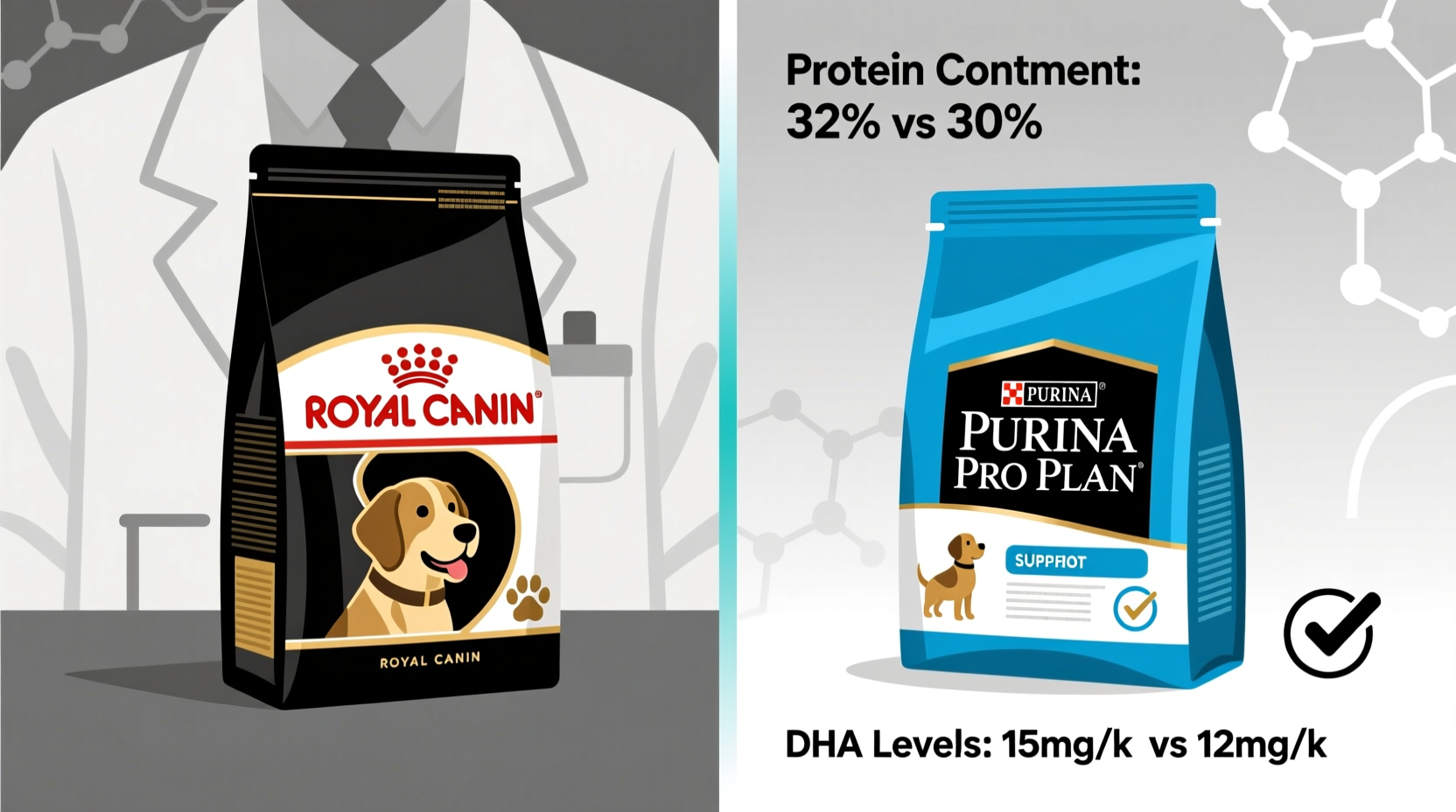
- Palatability trends. Purina Pro Plan often scores high in palatability tests. Royal Canin focuses on consistent acceptance, especially in picky breeds.
- Wet vs dry appeal. Wet formulas increase appetite for finicky eaters. Both brands make appetizing wet foods.
- Transitioning tips. Switch slowly over 7–10 days to avoid upset stomach. Mix increasing amounts of the new food with the old.
My own cat refused one brand in a multi-cat home but loved the other. Small trials help avoid waste when testing Purina Pro Plan vs Royal Canin.

Source: reddit.com
Price, availability, and value
Cost and access matter. Here’s how the brands compare.
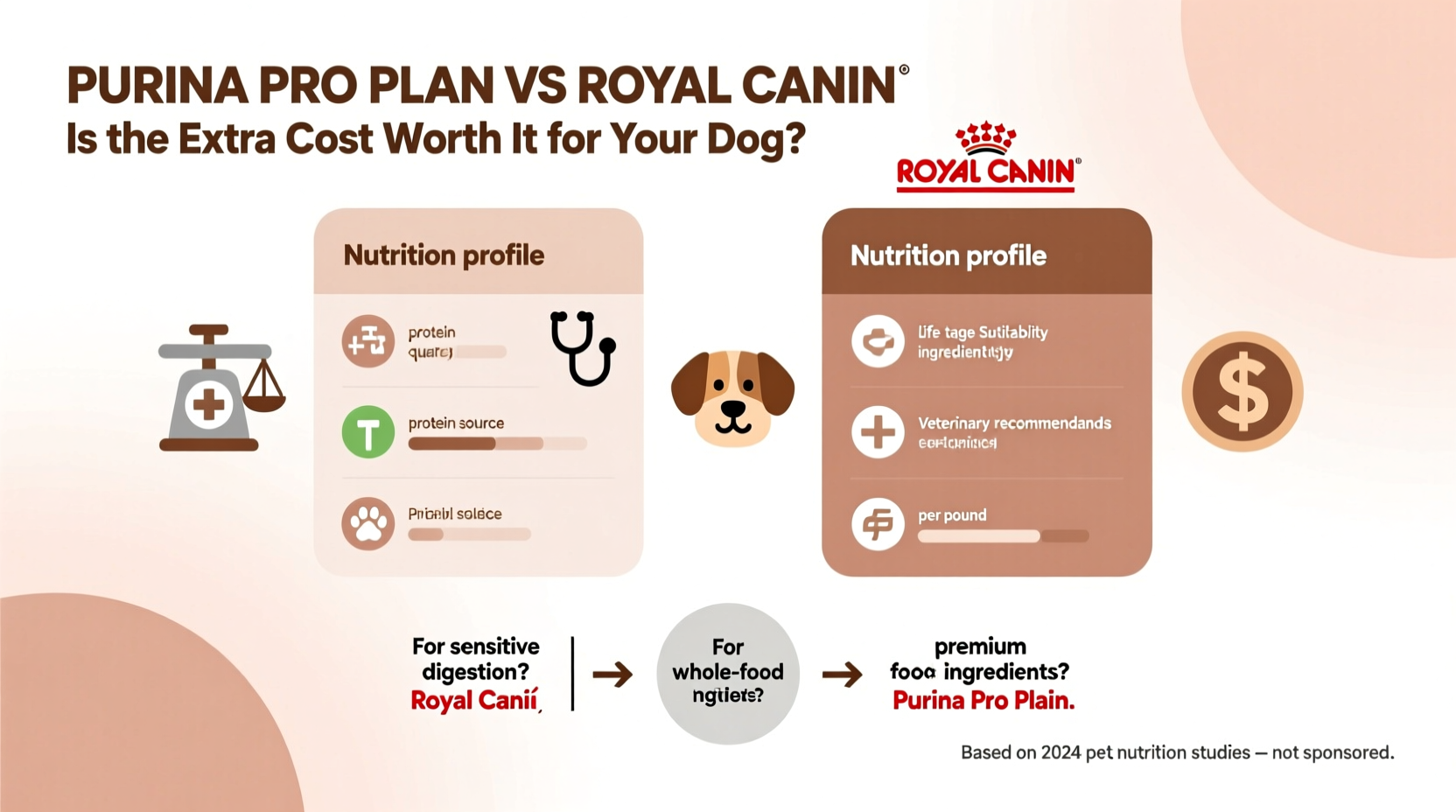
- Price range. Purina Pro Plan tends to be mid-range in price. Royal Canin is usually higher per pound. Prescription lines from both cost more.
- Where to buy. Purina Pro Plan sells at big-box stores, pet stores, and online. Royal Canin is available at vets, specialty stores, and online, with some prescription only.
- Value considerations. Look at calories per cup and ingredient quality. Higher cost can reflect research, veterinary backing, or specialized processing.
- Promotions and loyalty. Watch for coupons, autoship discounts, and clinic bundles to save money.
Think long term. A more expensive food may reduce vet bills if it improves a chronic issue. Always compare serving sizes and calorie content.
Source: alibaba.com
How to choose between Purina Pro Plan vs Royal Canin
Follow a clear process to decide. Use these steps.
- Define your pet’s needs. Age, weight, breed, health issues, and allergies matter.
- Talk to your veterinarian. Get guidance on medical needs and prescription options.
- Read labels. Check protein, fat, fiber, and ingredient sourcing.
- Do a small trial. Buy a small bag or sample to test acceptance and stool quality.
- Monitor results. Track weight, energy, coat, and stool for 2–4 weeks.
- Adjust as needed. Switch formulas if you see GI upset or no improvement.
If your pet has a complex medical problem, prioritize vet-prescribed formulas. For healthy pets, pick the brand that meets nutritional needs and fits your budget.
Source: everestkitchennc.com
Personal experience and practical tips
I have fed both brands to pets I cared for. I learned several useful lessons.
- Start small. A 2–3 day sample saves money and stress.
- Watch stool and energy. These are the best early signs of tolerance.
- Keep a food diary. Note food, brand, portion, and response for two weeks.
- Use treats wisely. Avoid adding new treats when testing a new food. That keeps results clear.
- Expect individual taste differences. Some cats prefer Purina Pro Plan flavors. Some dogs do better on Royal Canin shapes and digestibility.
One dog with chronic loose stool improved after switching from a generic diet to Royal Canin digestive care. Another picky cat ate Purina Pro Plan with ease. These real cases show there is no one-size-fits-all answer in the Purina Pro Plan vs Royal Canin debate.
Source: alibaba.com
Frequently Asked Questions of Purina Pro Plan vs Royal Canin
Is Purina Pro Plan or Royal Canin better for allergic pets?
Both brands have options for allergies. Royal Canin often offers hydrolyzed and veterinary prescription lines; Purina Pro Plan has limited-ingredient and vet formulas too. Work with your vet for elimination trials.
Can I switch between Purina Pro Plan and Royal Canin safely?
Yes, but switch slowly over 7–10 days. Mix increasing amounts of the new food to avoid digestive upset.
Are Royal Canin prescription diets only available from vets?
Some Royal Canin therapeutic formulas are veterinary-prescription only. Other Royal Canin products are sold in retail and online. Check product labeling.
Which brand is better value, Purina Pro Plan or Royal Canin?
Purina Pro Plan tends to be more budget-friendly. Royal Canin often costs more due to specialized formulas and research backing. Value depends on your pet’s response.
Do both brands meet AAFCO standards?
Yes. Both Purina Pro Plan and Royal Canin make diets that meet AAFCO nutrient profiles for life stages or are formulated for specific clinical needs.
Will my picky eater accept Purina Pro Plan vs Royal Canin?
Acceptance varies. Some pets prefer Purina Pro Plan flavors. Others favor Royal Canin’s kibble shapes. Try small samples to find what your pet likes.
Conclusion
Purina Pro Plan vs Royal Canin are both reputable choices. Purina Pro Plan offers broad, performance-focused nutrition and good value. Royal Canin offers highly targeted, research-led formulas and strong vet support.
Choose based on your pet’s health, taste, and budget. Test small, track results, and lean on your veterinarian for medical needs. Try a short trial today, monitor your pet closely, and comment below with your experience or questions.

His professional interests include humane education, ethics, small animal behavior, and veterinary. As a pet lover from school life, having grown up with two cats and a dog. If he isn’t spending time with his friends and family, Justin enjoys traveling. Learn more about Justin here.