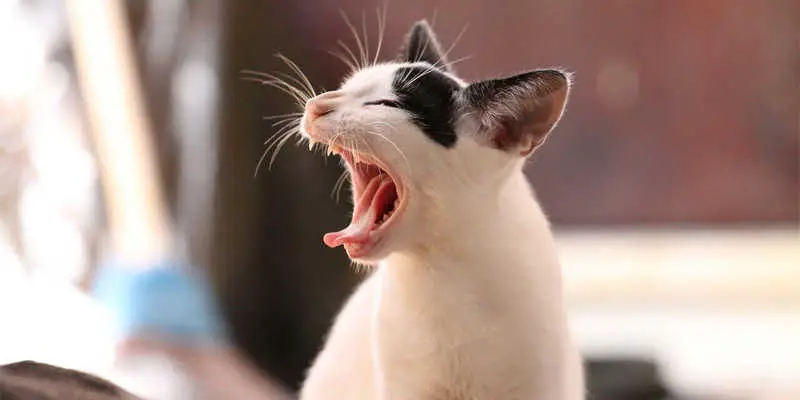
Every cat owner recognizes that hacking, gurgling sound that ends with a hairball on the floor. While occasional hairballs are normal, frequent ones mean your cat needs support. How to reduce hairballs in indoor cats naturally starts with simple, safe steps that improve digestion, grooming, and overall health.
This guide will walk you through why hairballs happen and provide a clear, multi-step plan to prevent them. Forget expensive, artificial treatments. By focusing on grooming, diet, environment, and hydration, you can create a comfortable, hairball-minimized life for your feline friend.
Why Do Indoor Cats Get More Hairballs?
First, let’s understand the enemy. A hairball (called a “trichobezoar” by vets) forms when your cat swallows loose hair during grooming. Their tongue has tiny, hook-like structures perfect for catching fur, which they then can’t spit out.
Normally, this hair passes through the digestive system and comes out in the litter box. Problems start when too much hair is swallowed or when digestion slows down, causing hair to clump together in the stomach. That clump has to come back up.
Indoor cats face a perfect storm for hairball creation:
- More Grooming: Indoor life can sometimes be boring or stressful. Cats may over-groom as a comforting habit, swallowing more hair.
- Constant Shedding: Unlike outdoor cats who shed heavily in spring and fall, indoor cats live in stable temperatures and artificial light, which can lead to year-round shedding.
- Less Activity: A more sedentary lifestyle can mean slower digestion, giving hair more time to ball up inside.
Long-haired breeds like Persians are famous for hairballs, but even short-haired cats can be plagued by them, especially if they are fastidious groomers.
Also Read: Best hairball control cat food
Your Natural Hairball Prevention Plan
Tackling hairballs effectively means attacking the problem on several fronts: removing the source (loose fur), improving how the body handles hair, and reducing the reasons for over-grooming.
1. The Number One Fix: Regular Brushing
If you do only one thing, make it this. Brushing removes the source material before your cat can swallow it.
- Choose the Right Tool:
- For long-haired cats (Persians, Maine Coons): Use a slicker brush to reach the undercoat, followed by a wide-toothed comb to prevent mats.
- For short-haired cats: A rubber grooming glove or a shedding blade works wonderfully. They’re gentle and feel like a petting session.
- Create a Routine:
- Long-haired cats: Aim for daily brushing, even if just for 5 minutes.
- Short-haired cats: Brush 2-3 times a week, increasing to daily during heavier sheds.
- Make it Positive: Brush when your cat is relaxed, like after a meal. Pair it with treats and gentle talk. Focus on hair-heavy zones: behind the ears, under the arms, and along the back and hindquarters.
- Consider Professional Help: For very thick coats or resistant cats, a professional groomer every few months can work wonders, sometimes even giving a “sanitary trim” to reduce fur around trouble spots.
Why it works: It’s simple math. Less loose fur on your cat = less fur in your cat’s stomach.
2. Feed for a Healthy Gut and Coat
What goes into your cat directly affects what comes out (or comes up).
- Boost Fiber for Movement:
- Fiber acts like a broom in your cat’s intestines, sweeping hair through the system.
- Easy Additions: Mix ½ teaspoon of plain canned pumpkin (not pie filling) or a pinch of ground psyllium husk into their wet food once a day. Start small to avoid upset stomachs.
- Prioritize Moisture:
- Dry food is only about 10% water. A dehydrated digestive system is a sluggish one.
- Switch to Wet Food: Canned food is 70-80% water, which softens stools and helps move hair along.
- The Hydration Hack: If your cat prefers dry food, add warm water or low-sodium chicken broth to create a gravy. Let it sit for a few minutes to soak in.
- Build a Better Coat with Healthy Fats:
- A healthy coat sheds less. Omega-3 and Omega-6 fatty acids strengthen skin and fur.
- Easy Supplement: Add a drop or two of salmon oil or a tiny dab of coconut oil to your cat’s food. This makes their coat shiny and can reduce excessive shedding at the source.
Why it works: You’re optimizing the internal environment so that any swallowed hair is less likely to get stuck and more likely to pass through smoothly.
3. Enrich Their Environment to Reduce Stress-Grooming
A bored or anxious cat is an over-grooming cat. By keeping their mind and body active, you reduce the compulsive behavior that leads to hair ingestion.
- Mental Stimulation is Key:
- Puzzle Feeders: Make your cat work for their kibble. This engages their brain and slows down eating.
- Cat TV: Set up a bird feeder outside a secure window perch. The viewing entertainment can captivate them for hours.
- Toy Rotation: Keep a box of toys and rotate a few in and out each week. An “old” toy becomes new and exciting again.
- Promote Physical Activity:
- Daily Play Sessions: Dedicate 10-15 minutes, twice a day, to interactive play. Use a wand toy to mimic prey—make it jump, dart, and hide. This satisfies their hunting instinct and tires them out.
- Climb and Explore: Cat trees, shelves, and perches give them vertical territory to claim, which is both exercise and a confidence booster.
- Create a Calm Home:
- Ensure they have quiet, cozy hiding places (a cardboard box or covered bed works perfectly).
- In multi-cat homes, have multiple resources (litter boxes, food/water stations) to reduce competition.
- Pheromone Help: Plug-in Feliway diffusers release synthetic “calming” cat pheromones that can reduce anxiety-driven grooming.
Why it works: You’re addressing the root cause of excessive grooming. A happy, stimulated cat grooms normally, not compulsively.
4. Simple Supplements and Hydration Tricks
- Grow Cat Grass: Many cats instinctively crave greens. Wheatgrass or oat grass provides safe, edible fiber that aids digestion and may help move hair through the gut. A small pot on the windowsill is an easy, effective tool.
- The Water Challenge: Cats are naturally low-thirst animals. Encourage drinking by:
- Using a Cat Water Fountain: The sound and movement of filtered, flowing water entice many cats to drink more.
- Placing Multiple Bowls: Put water bowls away from food bowls in quiet locations. Some cats prefer ceramic or glass bowls.
- Flavoring Water: Add a teaspoon of tuna juice (from tuna packed in water, not oil) or low-sodium broth to their water bowl to make it more appealing.
Why it works: These small changes support the larger goals of better digestion and systemic health, making hairball formation less likely.
When to Be Concerned: Call Your Vet
Natural methods are powerful, but they are not a substitute for veterinary care. It’s crucial to know the warning signs that something more serious is wrong.
See your veterinarian if your cat:
- Produces hairballs more than once a week.
- Gags, hacks, or retches persistently without producing a hairball.
- Shows a loss of appetite or lethargy.
- Has constipation or diarrhea.
- Has a visibly swollen or painful belly.
- Over-grooms to the point of creating bald patches.
Frequent hairballs can sometimes be a symptom of underlying issues like inflammatory bowel disease (IBD), thyroid problems, skin allergies, or intestinal blockages. Your vet can rule these out and help you tailor the best plan for your cat’s specific health profile.
Putting It All Together: A Sample Week for Hairball Prevention
Don’t feel overwhelmed. Start slowly and build routines.
- Monday/Wednesday/Friday:
- Morning: Quick 5-minute brushing session.
- Evening: 10-minute intense play with a feather wand, followed by a wet food meal with a tiny bit of salmon oil mixed in.
- Tuesday/Thursday:
- Evening: Offer food in a puzzle feeder. Refresh the water in all bowls and the fountain.
- Saturday:
- Longer 10-minute brushing session. Trim any small mats. Check the cat grass supply and re-plant if needed.
- Sunday:
- Relaxing day. Maybe just some catnip on a scratching pad and cuddles.
Throughout the week: Ensure fresh water is always available, and observe your cat’s grooming habits and litter box output.
Conclusion: Patience and Consistency Lead to Success
Reducing hairballs naturally is a holistic process. You’re not just managing a symptom; you’re actively improving your cat’s digestive health, coat quality, mental well-being, and hydration. This journey requires patience—dietary changes and new routines can take 4-6 weeks to show full effect.
Celebrate the small victories: a shinier coat, a more playful cat, and yes, fewer nasty surprises on the rug. By investing a little time each day in grooming, play, and mindful feeding, you are investing in a healthier, happier, and more comfortable life for your beloved indoor companion. Remember, your veterinarian is your partner in this process. With a consistent, natural approach and professional guidance when needed, you and your cat can enjoy a future with far fewer hairball hassles.

Dr. John Morris, DVM is a Doctor of Veterinary Medicine who has seven years of experience in feline medicine, dermatology, and behavior. He also enjoys volunteering at a local NGO that supports literacy programs for children and adults. In his free time, he enjoys fostering kittens, traveling, vegan cooking, hiking, and biking. Learn more about Justin here.