Many people think that it is difficult to pet a cat as they don’t pee or potty in the same place and keep the houses dirty. But, this idea is totally wrong. If you train a cat, it will do potty in the same place. So at first, you need to know how to train cats to use litter box.
Cats usually like to be in a clean environment and they don’t like the smell of their potty. They hide their potty by sand or soil. So, the Litter box should be introduced to them.
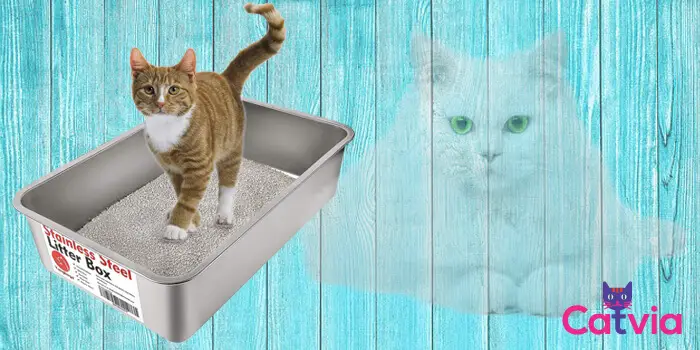
Cats in urban areas often use human toilets. The different types of litter boxes are available in the market or you can make it at the home.
How do You Train Cats to Use Litter Box (In short)
- At first, introduce litter box to cat.
- Some cats don’t want to get in the litter box at first. So, favorite cat toys or ball should be put in the litter box. So that they become interested.
- As cats want to cover their waste so sand, soil, litter (available in the market) or paper should be introduced in a litter box.
- Before defecation cats usually scratch soil by their paws -when you see that you must put cats into a litter box.
- This practice should be continued for 5-7 days in the same place regularly. This method should be done 5-6 times a day.
- Cats are usually defecating in the place where they become habituated to do that. That place may be very foul smelling. So, that place must be wasted by vinegar of liquid soap. By this, the place will be free from foul smelling.
- Keep litter box dry & clean. Cats don’t want to use an unclean, wet and foul-smelling litter box. The litter box should be cleaned two times daily. You can use a litter scoop to clean it perfectly.
- Cats usually want to defecate in flower pot, paper bag, torn clothes, jute bag, etc. These should not be kept close to the litter box. If these things are kept close to the litter box cats will defecate on these things.
- Buy litter box according to the size of a cat keep an eye on the size of the litter box so cats don’t feel uncomfortable to a seat, many cats like privacy. In that case, choose a litter box with a cover or keep the litter box in a dark place. You may use litter box enclosure furniture to hide litter Box.
- Keep the litter box in such a place where cats can easily move. Don’t keep the litter box in a closed room. The room can be filled with foul smelling of you put litter box closed room. So, keep the litter box in a well-ventilated place.
You may also read: How to Train Cat for Potty
Easy Guide to Litter Box Training for Cats
Training your cat to use a litter box doesn’t have to be hard. Most cats want to cover their waste—you just have to show them where to do it. This guide will help you, step by step, very easy.
1. Start Simple: Show Them the Box
Make It Interesting
Some cats are unsure about a new box. To help them get comfortable:
- Put a favorite toy or ball inside the empty box.
- Let them explore it without pressure.
- When they step in, give them a treat and gentle praise.
Add the Litter
Once they’re okay with the box, add about 2 inches of litter.
- Start with unscented, clumping litter—most cats like it.
- Avoid strong smells; cats have sensitive noses.
- You can show them how to dig by scratching the litter with your fingers.
2. Watch for Signs & Build the Habit
Cats usually give signals before they go:
- Sniffing in corners
- Scratching the floor
- Crouching like they’re about to go
When you see this—especially scratching—gently pick them up and put them in the box.
Do this calmly, 5–6 times a day, for about a week. Soon, they’ll start going there on their own.
3. Keep the Box Clean & Comfy
Clean It Regularly
Cats hate dirty bathrooms—just like us.
- Scoop out waste every day, twice if you can.
- Once a week, empty the whole box. Wash it with mild soap and warm water. Rinse well and dry before adding fresh litter.
Pick the Right Spot
- Put the box in a quiet, easy-to-reach place.
- Not in a loud laundry room or closed space.
- If your cat likes privacy, try a covered box or put it in a quiet corner.
- Make sure the room has some airflow so smells don’t build up.
Choose a Good Box
- It should be big enough for your cat to turn around in.
- Kittens and older cats need a box with low sides so they can get in easily.
4. Stop Accidents Before They Happen
Clean Accidents Thoroughly
If your cat goes outside the box:
- Clean the spot right away with an enzymatic cleaner (from a pet store). This removes the smell completely so they won’t go there again.
- Don’t use strong chemicals or ammonia—it can smell like urine to cats.
Remove Temptations
Don’t leave these near the litter box:
- Houseplant soil
- Piles of paper or grocery bags
- Towels or clothes on the floor
Cats might think these are okay to use instead.
5. If There’s Trouble, Check These Things
First, Visit the Vet
If a trained cat suddenly stops using the box, it might be:
- A urinary infection
- Kidney issues
- Arthritis
Always rule out health problems first.
Look at Your Home
- Did you change the litter type or box location? Cats don’t like surprise changes.
- Is another pet scaring them away from the box?
- Have there been big changes at home (new person, moved furniture, etc.)? Stress can cause accidents.
For Multiple Cats
Have one box per cat, plus one extra. Place them in different areas so no one gets blocked or bullied.
Learn more: Why cat scratching litter box?
Quick Tips to Remember
- Be patient—some cats learn fast, others take a few weeks.
- Praise and treat them when they use the box.
- Keep it clean, quiet, and in the same spot.
- If problems start, think: Health first, then stress, then the box itself.
Litter training is about helping your cat do what comes naturally. A clean, well-placed box + a little patience = a happy cat and a clean home. You’ve got this!
Also read: Also read: Self-Cleaning, Automatic Cat Litter Box: Good or Bad?
Kitten Litter Box Training (Video)

His professional interests include humane education, ethics, small animal behavior, and veterinary. As a pet lover from school life, having grown up with two cats and a dog. If he isn’t spending time with his friends and family, Justin enjoys traveling. Learn more about Justin here.