Every cat owner wants their furry friend to stay healthy and happy. One of the best things you can do for your cat is to make sure they drink enough water. Many cats don’t drink as much water as they should, which can lead to health problems. This is where a cat water fountain comes in handy.
Cat water fountains are special bowls that keep water moving and fresh. Cats are naturally attracted to moving water, so a fountain can encourage them to drink more. But with so many options available, how do you pick the right one? This guide will help you choose the perfect water fountain for your cat.
Why Your Cat Needs a Water Fountain
Before we talk about choosing a fountain, let’s understand why it’s a good idea. In the wild, cats prefer to drink from moving water sources like streams. Moving water is usually cleaner and fresher than still water. Your cat still has these natural instincts.
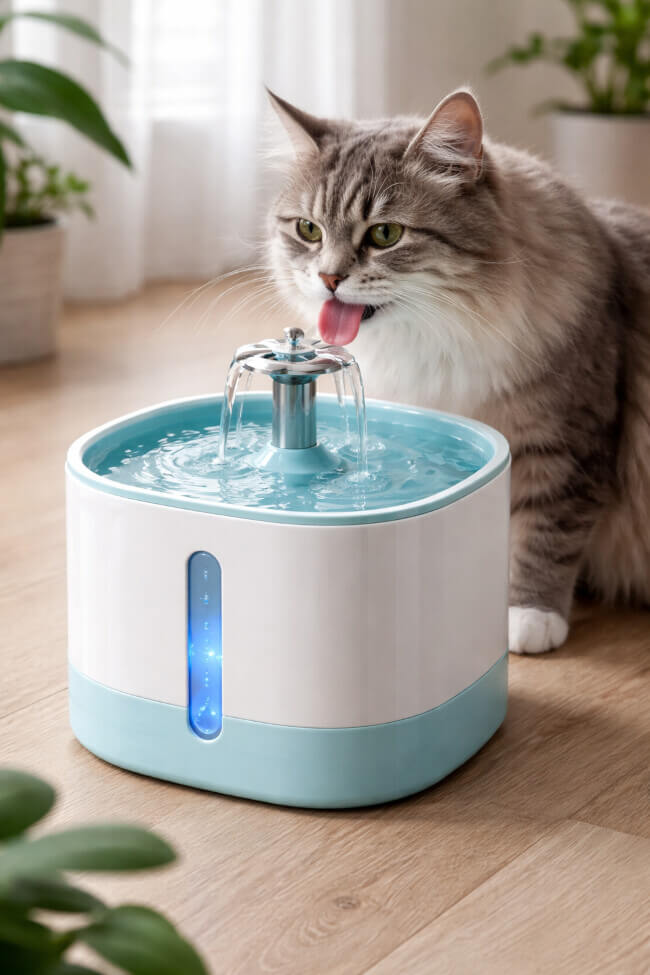
A cat water fountain keeps the water moving all the time. This movement does several good things. First, it adds oxygen to the water, which makes it taste better to your cat. Second, the movement stops bacteria from growing as quickly. Third, the fountain filters out dirt, hair, and other things that might fall into the water.
When cats drink more water, it helps their kidneys work better. It also prevents urinary tract problems, which are common in cats. Many cat owners notice their cats drink much more water after they switch to a fountain.
Size Matters
The first thing to think about is size. How big should your cat fountain be? This depends on a few things.
If you have one cat, a smaller fountain will work fine. Most small fountains hold about one to two liters of water. This is enough for one cat for several days.
If you have multiple cats, you need a bigger fountain. Look for one that holds at least three to four liters. This way, all your cats can drink throughout the day without the fountain running dry.
Also think about the size of your cats. If you have large cats like Maine Coons, they need a fountain with a bigger drinking area. Small fountains might be uncomfortable for big cats to use.
The fountain should fit well in the space where you plan to put it. Measure the area before you buy. Make sure there’s enough room around the fountain for your cat to approach it comfortably from different sides.
Material Choices
Cat water fountains come in different materials. Each type has good points and bad points.
Plastic fountains are the most common and usually the cheapest. They’re lightweight and come in many colors and styles. However, plastic can scratch easily. These scratches can hold bacteria even after cleaning. Some cats also develop chin acne from plastic bowls. Plastic fountains usually need to be replaced more often than other types.
Stainless steel fountains are very popular with cat owners. They’re strong and last a long time. Stainless steel doesn’t scratch as easily as plastic, so it stays cleaner. It’s also very easy to wash and can go in the dishwasher. These fountains don’t hold odors or stains. The main downside is they cost more than plastic fountains. But many people think they’re worth the extra money because they last longer.
Ceramic fountains look nice and feel heavy and stable. Cats can’t easily knock them over. Ceramic is easy to clean and doesn’t hold bacteria like plastic can. These fountains often look like regular bowls, so they fit nicely with your home decor. However, ceramic can break if you drop it. These fountains are also usually heavier and more expensive than plastic ones.
Water Flow Styles
Different fountains move water in different ways. Cats have different preferences, so think about what your cat might like.
Flowing stream style creates a gentle stream of water that flows down. This mimics a natural stream. Many cats love to drink directly from the flowing water. This style is great for cats who like to put their paws in water or who enjoy playing with water.
Bubbling fountain style makes the water bubble up from the center. The water rises and falls gently. This creates a calm, quiet flow. It’s good for cats who prefer still water but need encouragement to drink more.
Multiple stream style has several small streams or spouts. This gives your cat options. They can drink from the streams or from the bowl underneath. If you have several cats, this style lets them drink at the same time without getting in each other’s way.
Some fountains let you adjust the water flow. This is helpful because you can change it to see what your cat prefers. You can also turn down the flow at night if the noise bothers you.
Noise Level
Nobody wants a loud fountain running all day and night. The pump inside the fountain makes some noise, but some are much quieter than others.
Look for fountains that say they have a “quiet” or “ultra-quiet” pump. Read reviews from other cat owners to see what they say about noise. Keep in mind that all fountains get a bit louder as they get older or if the water level gets too low.
The noise also depends on where you put the fountain. A fountain on a hard floor might sound louder than one on a rug or mat. The water splashing can also make noise, so fountains with gentle water flow are usually quieter.
If you’re sensitive to noise or plan to keep the fountain in your bedroom, choose one that’s specifically designed to be quiet. Some fountains have special foam or rubber parts that reduce noise and vibration.
Filter Types
Most cat water fountains have filters that clean the water. Understanding filters helps you choose a good fountain.
Activated carbon filters are the most common. These filters remove bad tastes, odors, and some chemicals from the water. They trap dirt and debris too. You need to replace these filters regularly, usually every two to four weeks.
Foam filters catch hair and large particles. These protect the pump from getting clogged. You can usually rinse and reuse foam filters several times before replacing them.
Ion exchange filters are less common but very effective. They remove minerals from hard water and can help prevent mineral buildup in the fountain.
Check how much replacement filters cost and how easy they are to find. Some brands have expensive filters that are hard to buy. Others have cheap filters you can find anywhere. The ongoing cost of filters is something to consider when choosing a fountain.
Some fountains work without filters, but filtered fountains usually keep the water cleaner for longer. This means less frequent cleaning and fresher water for your cat.
Power and Cord Safety
Most cat water fountains need to be plugged into an electrical outlet. This means there’s a cord that your cat might chew on or trip over.
Look for fountains with chew-resistant cords. Some fountains have cords covered in a braided material that cats can’t easily bite through. You can also buy cord protectors separately to keep your cat safe.
The cord should be long enough to reach your outlet without stretching. But it shouldn’t be so long that it becomes a tripping hazard. Think about where you’ll place the fountain and where the nearest outlet is.
Some newer fountains run on batteries or have wireless options. These can be convenient if you don’t have an outlet nearby. However, you’ll need to replace or recharge batteries regularly.
The fountain should have a low voltage pump for safety. Most modern cat fountains use safe, low-power pumps designed specifically for pets.
Easy Cleaning
You’ll need to clean your cat fountain regularly to keep it fresh and working well. Some fountains are much easier to clean than others.
Look for fountains that come apart easily. All the parts should separate so you can wash them thoroughly. The fewer small parts and hard-to-reach corners, the better.
Check if the fountain is dishwasher safe. Many stainless steel and ceramic fountains can go right in the dishwasher, which makes cleaning super easy. Plastic fountains might warp in the dishwasher, so you might need to wash them by hand.
The pump should be easy to take out and clean. Pumps can get clogged with hair and debris, so you need to clean them regularly. Some pumps come apart for deep cleaning, while others can only be rinsed.
Wide openings make it easier to reach inside and scrub. Fountains with lots of grooves or decorative details can be pretty, but they’re harder to clean.
Capacity and Refill Frequency
Think about how often you want to refill the fountain. The capacity tells you how much water the fountain holds.
If you travel often or work long hours, choose a fountain with a larger capacity. This way, your cat won’t run out of water if you’re gone for a day or two.
Remember that you shouldn’t let water sit in the fountain for more than a week, even if there’s still water in it. Bacteria can grow in standing water over time. So a very large fountain doesn’t mean you can ignore it for weeks.
Most fountains have a fill line that shows you when to add more water. Some have transparent parts so you can easily see the water level. This helps you know when it’s time to refill.
Special Features
Some cat water fountains have extra features that might be useful.
LED lights make the fountain easier to see in the dark. Some cats find the light attractive and interesting. However, bright lights might bother some cats or keep them awake at night.
Water level windows let you see how much water is left without opening the fountain. This is convenient for quick checks.
Adjustable flow controls let you change how fast the water moves. You can experiment to find what your cat likes best.
Backup water storage in some fountains keeps water available even if the pump stops working. This ensures your cat always has water to drink.
UV sterilization in high-end fountains uses ultraviolet light to kill bacteria and keep water extra clean. These fountains cost more but might be worth it if your cat has health issues.
Price and Budget
Cat water fountains range from about twenty dollars to over one hundred dollars. More expensive doesn’t always mean better, but very cheap fountains might not last long.
Think about the total cost, not just the price of the fountain. Add up the cost of replacement filters for a year. Some cheap fountains have expensive filters that make them more costly over time.
A good quality fountain that lasts several years is usually a better value than a cheap one that breaks after a few months. Read reviews to see how long fountains typically last.
If you’re on a tight budget, look for sales or buy during holidays when prices drop. You can also check for fountains that don’t require filters or that use washable filters instead of disposable ones.
Your Cat’s Personality
Every cat is different. Think about your cat’s habits and preferences when choosing a fountain.
If your cat is scared of new things, start with a quiet fountain with gentle water flow. A loud, splashy fountain might scare a timid cat.
If your cat loves to play with water, choose a sturdy fountain that won’t tip over easily. A fountain with a flowing stream gives playful cats something fun to interact with.
For older cats or cats with arthritis, choose a fountain that’s easy to reach. The water level shouldn’t be too low, and the fountain shouldn’t be too tall.
If your cat is very picky about cleanliness, a fountain with good filtration is important. Change the filters often and clean the fountain regularly.
Where to Place Your Fountain
The location of your fountain matters as much as which fountain you choose. Put it in a quiet area where your cat feels safe. Avoid placing it near the litter box, as cats don’t like to drink near where they go to the bathroom.
Choose a spot away from your cat’s food bowl. In nature, cats don’t usually drink right where they eat. Having the water fountain in a different location can encourage more drinking.
Make sure the area has good air circulation but isn’t in direct sunlight. Sun can make algae grow faster in the water.
Put the fountain on a mat or tray to catch splashes and drips. This protects your floor and makes cleanup easier.
Making the Switch
When you first introduce a fountain, some cats take to it right away. Others need time to get used to it.
Keep your cat’s old water bowl available at first. Let them have both options until they’re comfortable with the fountain. Most cats will choose the fountain once they discover it.
You can encourage your cat by putting treats near the fountain or letting them see you touch the water. Don’t force them to use it. Let them explore at their own pace.
Final Thoughts
Choosing a cat water fountain doesn’t have to be complicated. Think about your cat’s needs, your budget, and what features matter most to you. A good fountain encourages your cat to drink more water, which helps keep them healthy for years to come.
The best fountain is one that your cat will actually use and that you’ll clean regularly. Whether you choose plastic, stainless steel, or ceramic, quiet or decorative, expensive or budget-friendly, the important thing is that it works for you and your cat.
Take your time, read reviews, and don’t be afraid to try a different fountain if the first one doesn’t work out. Your cat’s health is worth the effort, and the right water fountain can make a real difference in how much water they drink every day.

His professional interests include humane education, ethics, small animal behavior, and veterinary. As a pet lover from school life, having grown up with two cats and a dog. If he isn’t spending time with his friends and family, Justin enjoys traveling. Learn more about Justin here.