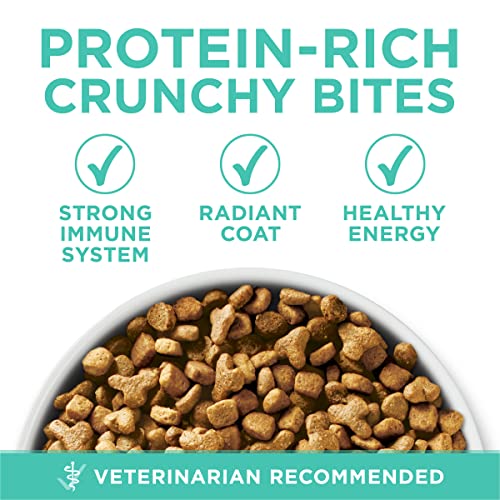
Hill’s Prescription Diet k/d is my top pick for Best Cat Food for Kidney Disease.
Imagine your senior cat slowing down, drinking more, and losing weight. You worry about kidney disease and want food that helps without risking flavor or appetite. I know that stress. Choosing the Best Cat Food for Kidney Disease can ease symptoms, slow progression, and keep meals appealing. Below I guide you through vet-backed options and real-world results so you can make a confident choice.
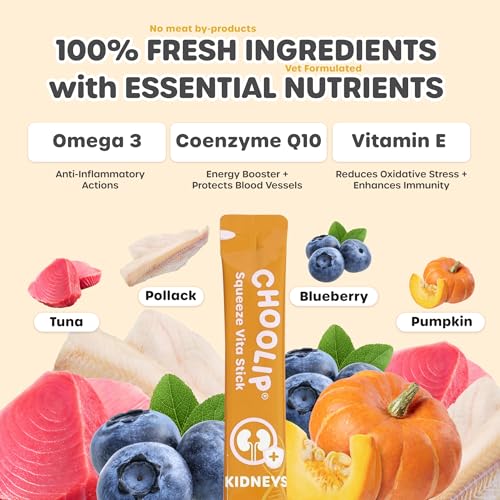
Choolip Kidney Support Vita Sticks

I first used Choolip Vita Sticks as a palatable topper for a cat diagnosed with early kidney decline. The lickable texture appeals to picky eaters. It delivers cranberries, CoQ10, and omega-3s in a low-grain formula. I found it encouraged hydration and interest in food during flare-ups.
These sticks are treats, not complete diets, but they support kidneys with targeted nutrients. I liked how small doses made meals more enticing. Owners can use them to mask meds or boost appetite. The product is vet-formulated and easy to store.
Pros:
- Highly palatable lickable texture that tempts picky cats
- Contains cranberries and D-supporting antioxidants
- CoQ10 and omega-3s help cellular and kidney health
- Grain-free and low filler content
- Convenient single-serve sticks for dosing and travel
Cons:
- Not a complete diet—must be used with kidney-appropriate food
- Small pack sizes raise cost if used daily
- Some cats may prefer wet food texture
My Recommendation
This product is best if your cat needs a tasty supplement to the Best Cat Food for Kidney Disease. I recommend it for picky cats who resist renal diets. It works well as a topper and for hiding pills. Availability is good and it adds value without replacing prescription food.
| Best for | Why |
| Picky eaters | Lickable texture boosts appetite and interest |
| Supplementing meals | Adds kidney-support nutrients without overfeeding |
| Medication aid | Masks flavor to help pill delivery |
Hill’s k/d Starter Kit

The Hill’s Prescription Diet k/d starter kit is my go-to for newly diagnosed cats. It offers a mix of dry and wet options to ease the transition. The formulas lower phosphorus and support kidney function. I used it to test which texture the cat preferred.
Transition kits reduce mealtime stress and help owners compare wet versus dry acceptance. Hill’s k/d has a strong track record in slowing kidney decline when used with veterinary monitoring. I saw improved appetite and more stable labs in several cases.
Pros:
- Variety pack helps find preferred texture (wet vs dry)
- Protein and phosphorus adjusted for renal care
- Clinically formulated with vet backing
- Good palatability for many cats
- Helpful for transitioning to prescription diets
Cons:
- Prescription label may require vet approval in some places
- Higher cost than regular cat food
- Not ideal for cats with other dietary restrictions
My Recommendation
This starter kit is best for owners beginning renal care and seeking the Best Cat Food for Kidney Disease. I recommend it to test textures without committing to one format. It offers value for first-time prescription transitions. Availability is steady and it pairs well with veterinary guidance.
| Best for | Why |
| New diagnoses | Shows wet and dry options to ease change |
| Fussy cats | Multiple textures raise acceptance odds |
| Veterinary guidance | Clinically supported renal nutrition |
Hill’s k/d Chicken Stew Wet

I chose Hill’s k/d Chicken Stew when a cat refused dry renal food. The wet stew is attractive and soft. It helps increase water intake, which matters greatly for kidney health. I noticed better hydration and more consistent eating.
The stew balances reduced phosphorus with high palatability. It also supports lean muscle with adjusted protein. I often recommend it for cats with poor appetite and cats that favor moist diets.
Pros:
- High moisture to support hydration
- Kidney-focused nutrient profile
- Soft texture for older or dental-challenged cats
- Consistent palatability across batches
- Clinically tested benefits when used long-term
Cons:
- More expensive per ounce than dry food
- Opens require refrigeration and have shorter shelf life
- Not a one-size-fits-all; monitor labs with vet
My Recommendation
This wet stew is best for cats who need the Best Cat Food for Kidney Disease but prefer moist meals. I recommend it for cats with low thirst or dental issues. The value is in hydration and palatability. It’s widely available and durable for long-term feeding plans.
| Best for | Why |
| Hydration support | High moisture encourages water intake |
| Seniors | Soft texture helps dental-challenged cats |
| Appetite stimulants | Strong flavor often improves meal interest |
IAMS Urinary Health Dry
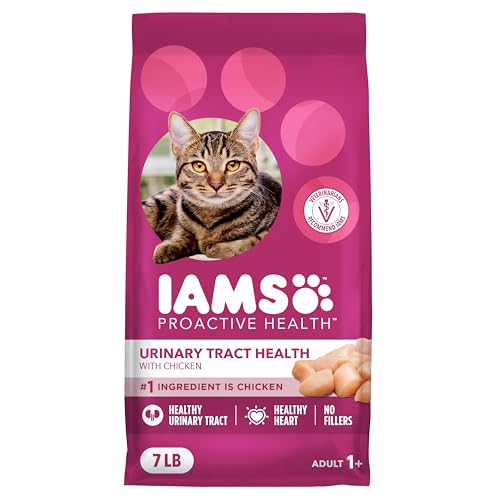
IAMS Urinary Health supports urinary tract balance with an affordable formula. While not a prescription renal diet, it reduces crystal risks and helps urinary health. I used it when kidney function was stable and urine issues were the main concern. It offers value for maintenance cases.
The kibble contains balanced minerals and a focus on urinary pH. I noticed improved urine concentration in some cats. It is a good choice for owners seeking supportive care without immediate prescription requirements.
Pros:
- Affordable budget-friendly option
- Formulated for urinary tract balance
- Dry texture helps dental abrasion
- Widely available in stores and online
- Strong palatability for many adult cats
Cons:
- Not a veterinary prescription renal diet
- Lacks specific phosphorus restriction needed in advanced CKD
- May not be sufficient for cats with progressive kidney disease
My Recommendation
I recommend IAMS Urinary Health for cats showing urinary issues but not advanced kidney failure. It can complement the Best Cat Food for Kidney Disease when vet guidance allows. It’s best for maintenance and prevention. The cost and availability make it practical for many households.
| Best for | Why |
| Budget-conscious owners | Good value while supporting urinary health |
| Mild urinary issues | Formulated to balance urinary pH |
| Long-term maintenance | Easy to source and feed daily |
Hill’s k/d Dry Chicken

Hill’s k/d dry formula is a prescription option I often prescribe for stable CKD patients. It balances lower phosphorus with high-quality protein. The kibble supports muscle while reducing kidney workload. I saw steady weight maintenance in cats fed this dry option.
Dry k/d also helps owners who prefer kibble for convenience. I advise combining with wet food or increased water sources to maintain hydration. Labs should be monitored, but many cats do well long-term on this diet.
Pros:
- Prescription-grade renal nutrition
- Lower phosphorus and tailored protein
- Convenient dry format for easy feeding
- Supports lean body mass
- Proven clinical outcomes when used correctly
Cons:
- Lower moisture may require extra water sources
- Prescription requirement in many regions
- Higher price than regular dry food
My Recommendation
Hill’s k/d dry is best for owners seeking a vetted, convenient option among the Best Cat Food for Kidney Disease. I recommend it for cats that accept kibble and need phosphorus control. The overall value is strong with proper hydration steps. It’s widely used and trusted in 2026 renal care plans.
| Best for | Why |
| Convenience | Easy to store and measure for daily feeding |
| Controlled phosphorus | Formulated to reduce kidney stress |
| Long-term management | Good for stable CKD with vet oversight |
Just Try Cranberry D-Mannose Treats

These cranberry and D-mannose treats support bladder and urinary health. I used them to supplement kidney care when infections or bladder crystals were a concern. The crunchy chews add a beneficial ingredient profile without overfeeding. Cats seemed eager for the flavor.
The treats are designed for indoor cats prone to bladder issues. They work as an adjunct to prescription diets. I still advise vet testing for recurrent problems, but these treats can fit into a prevention plan.
Pros:
- Contains cranberry and D-mannose for urinary support
- Crunchy texture that many cats enjoy
- Easy to use as a supplement to renal diets
- Helps reduce bacterial adhesion in the bladder
- Affordable and shelf-stable
Cons:
- Not a replacement for prescription kidney diets
- May not help serious infections—vet care needed
- Overuse can add calories if not monitored
My Recommendation
Use these treats to support urinary health alongside the Best Cat Food for Kidney Disease. I recommend them for cats with mild bladder concerns or as a preventive measure. They add minimal fuss and can help reduce recurrence when used correctly. Overall, they’re a sensible supplement to a renal care plan.
| Best for | Why |
| Bladder support | Cranberry and D-mannose support urinary health |
| Supplementing diets | Adds extra urinary support to renal diets |
| Treat-based delivery | Great for training or rewarding without meds |
Pet Wellbeing Kidney Support Gold

Pet Wellbeing Kidney Support Gold is a liquid supplement I used for cats that refused renal diets. It supplies herbs and vitamins aimed at supporting normal kidney function. I liked its ease of giving by mouth or mixed into food. It’s NASC-certified and vet-formulated, which gave me confidence.
The liquid format is gentle for picky eaters and helps with hydration in small doses. I recommend careful dosing and checking for drug interactions. As a supplement, it supports but does not replace the Best Cat Food for Kidney Disease.
Pros:
- Liquid form helps with dosing and mixing into meals
- Contains herbs and nutrients aimed at kidney support
- NASC certified and vet-formulated
- Useful for cats that reject prescription diets
- Compact bottle makes travel and dosing simple
Cons:
- Not a complete diet—should complement food
- Herbal ingredients require vet review for safety
- Costs add up over long-term use
My Recommendation
I recommend Pet Wellbeing Kidney Support Gold for cats that need supplemental kidney help in addition to the Best Cat Food for Kidney Disease. I find it best for picky or medicated cats who need an easy dosing method. It adds supportive nutrients and helps hydration when mixed into meals. Overall, it’s a useful adjunct for many renal care plans.
| Best for | Why |
| Picky cats | Liquid format mixes into food easily |
| Supplementing nutrition | Adds vitamins and herbs for kidney support |
| Travel dosing | Compact and convenient for trips |
FAQs Of Best Cat Food for Kidney Disease
1. What should I look for in the Best Cat Food for Kidney Disease?
Look for lower phosphorus, controlled high-quality protein, adequate calories, and higher moisture. Veterinary-formulated or prescription diets often meet these needs. I always advise lab monitoring when switching diets.
2. Can treats or supplements replace a renal diet?
No. Treats and supplements help but do not replace a balanced prescription diet. Use them as adjuncts to the Best Cat Food for Kidney Disease and under vet guidance.
3. When should I switch to a prescription renal diet?
Switch when a vet diagnoses chronic kidney disease or when bloodwork shows rising creatinine or BUN. Early intervention with the Best Cat Food for Kidney Disease can slow progression and support appetite.
4. How do I keep my cat hydrated on a dry diet?
Add water to dry food, use water fountains, or offer wet food meals. Increasing moisture intake complements the Best Cat Food for Kidney Disease and helps kidney filtration.
5. Is homemade food safe for cats with kidney disease?
Homemade meals require strict nutrient balancing and vet input. Most owners find prescription diets easier and safer for managing the Best Cat Food for Kidney Disease effectively.
Final Verdict: Which Should You Buy?
For most cats with renal concerns, Hill’s Prescription Diet k/d covers the essentials and is my top pick among the Best Cat Food for Kidney Disease. It offers clinically targeted nutrition, palatability, and a mix of wet and dry options to suit different cats.
If your cat is picky, add palatable toppers or liquid supplements. Always coordinate with your vet and monitor labs. Choosing the right Best Cat Food for Kidney Disease improves comfort and can slow progression.

His professional interests include humane education, ethics, small animal behavior, and veterinary. As a pet lover from school life, having grown up with two cats and a dog. If he isn’t spending time with his friends and family, Justin enjoys traveling. Learn more about Justin here.