
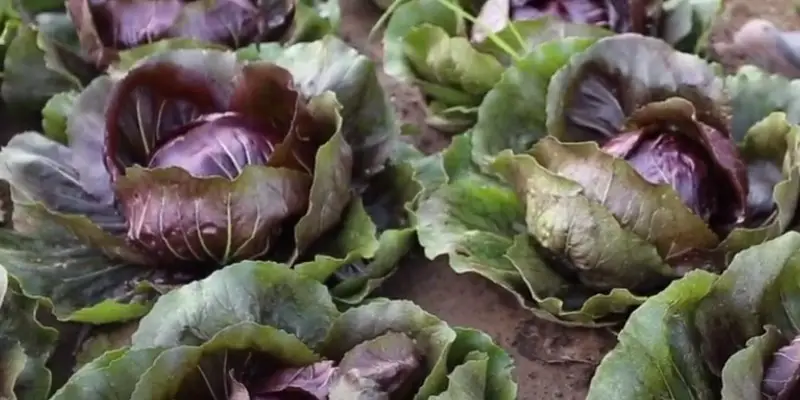
Radicchio is a vegetable that is related to the chicory family. It is a leafy vegetable that has a bitter taste. The leaves are red or purple in color and the vegetable is often used in salads. Radicchio is a healthy vegetable for humans, but can cats eat radicchio? Yes, cats can eat radicchio.
But some sources say that cats can eat radicchio in moderation, while other sources say that radicchio is not safe for cats to eat at all.
What Is Radicchio?
Radicchio is a red, leafy form of chicory. It is often sold as a compact head with white ribs and deep burgundy leaves, and it has a naturally bitter flavor that is more noticeable than ordinary lettuce. USDA nutrition data also shows that raw radicchio is a low-calorie vegetable with some fiber and a notable amount of vitamin K.
Can Cats Eat Raw Radicchio?
Yes, cats can eat raw radicchio in small amounts, and it’s generally considered safe as an occasional treat. If your cat swipes a piece off the cutting board or seems curious about the leaves in your salad, there’s no need to panic.
That said, a few things are worth keeping in mind before offering it intentionally:
- Wash it thoroughly. Rinse the leaves well to remove dirt, bacteria, and any pesticide residue.
- Cut it into small pieces. Raw radicchio leaves can be tough and fibrous, and large pieces may pose a choking risk, especially for kittens or senior cats.
- Skip the dressing. Never offer radicchio that’s been tossed with oil, vinegar, salt, garlic, or onion, all of which can be harmful or even toxic to cats.
- Start small. Offer just a tiny piece first and watch how your cat responds. Some cats may find the bitter taste unappealing, while others may experience mild stomach upset.
Because raw radicchio still contains its full fiber content, it can be a bit harder on a cat’s digestive system than the cooked version, particularly if your cat isn’t used to eating vegetables at all.
Can Cats Eat Cooked Radicchio?
Yes, and in many cases, cooked (or lightly steamed) radicchio is actually the gentler option for cats. Cooking softens the tough fibers and mellows the bitterness, which can make it easier to chew and digest.
If you want to offer cooked radicchio to your cat, follow these guidelines:
- Steam or boil it plain. Avoid butter, oil, salt, garlic, onion, or any seasoning blends.
- Let it cool completely before offering it, since cats are sensitive to hot food.
- Chop it finely to reduce any choking hazard.
- Keep portions tiny. A small nibble is plenty — radicchio should only ever be an occasional extra, not a regular part of your cat’s meals.
Cooked radicchio has no real nutritional necessity for cats, but as an occasional novelty or way to add a little variety, it’s a low-risk option when prepared plainly.
Is Radicchio Healthy for Cats?
If you’re a cat owner, you may be wondering if your feline friend can eat radicchio. Radicchio is healthy food for them. However, as with any new food, it’s important to introduce it slowly and in small amounts to avoid tummy upset.
Radicchio is a type of leafy vegetable that is related to cabbage and Brussels sprouts. It has a slightly bitter taste and is often used in salads. Radicchio is a good source of fiber, vitamins A and C, and potassium.
If your cat enjoys it and doesn’t have any digestive issues, you can gradually increase the amount. As with any new food, it’s always a good idea to consult with your veterinarian before making any changes to your cat’s diet.
Benefits and Drawbacks of Radicchio for Cats
For cats, the main “benefit” of radicchio is limited. Cats are obligate carnivores, which means they rely on nutrients found in animal foods, not vegetables, to meet their basic dietary needs.
While cats can digest some plant-based ingredients, vegetables like radicchio do not provide anything essential that a meat-based cat food should not already cover. In other words, radicchio is not a necessary or especially useful food for cats, even if a cat is curious enough to nibble it.
The biggest drawback is that radicchio can still upset a cat’s stomach, especially if the cat eats too much or is sensitive to new foods. The ASPCA notes that eating plant material can cause vomiting and gastrointestinal upset in dogs and cats.
On top of that, radicchio does not offer enough nutrition to matter for your cat’s diet, so any possible benefit is small compared with the risk of digestive trouble if your cat eats more than a tiny amount.
What Leafy Vegetables Can Cats Eat?
Cats are obligate carnivores, which means that they require animal-based proteins to survive. However, this doesn’t mean that cats can’t eat plant-based foods. In fact, many cats enjoy eating leafy greens!
While there are a variety of leafy vegetables that are safe for cats to eat, some of the most popular options include Spinach, Romaine lettuce, etc. These leafy greens are a great source of vitamins and minerals, and they can even help with hairball control!
When feeding your cat leafy greens, be sure to chop them up into small pieces so that they’re easy to eat.
You can also mix them into your cat’s regular food or offer them as a healthy treat to make a healthy cat.
Is Radicchio Toxic to Cats?
No, radicchio is not toxic to cats. It doesn’t appear on the ASPCA’s list of plants poisonous to cats, and there’s no known chemical compound in radicchio that causes serious harm to felines.
However, “not toxic” doesn’t mean “recommended in large quantities.” A few important caveats:
- Digestive upset is possible. Because cats aren’t well-equipped to digest plant fiber, eating too much radicchio can lead to vomiting, diarrhea, or gas.
- Every cat is different. Some cats may have a mild sensitivity or allergic-type reaction to new foods, even non-toxic ones. Introduce any new food slowly and watch for symptoms like excessive scratching, drooling, or lethargy.
- It offers no nutritional need for cats. Since cats get everything they need from a balanced, meat-based diet, radicchio should be viewed purely as an occasional treat, not a health food for your cat.
- Watch what it’s paired with. Radicchio itself is safe, but salads and dishes containing radicchio often include onions, garlic, or rich dressings, which absolutely are toxic to cats and should always be kept out of reach.
If your cat eats a larger amount of radicchio than intended, keep an eye on them for 24 hours. Mild digestive upset should resolve on its own, but if symptoms like repeated vomiting, diarrhea, or lethargy persist, contact your veterinarian.
When You Should Avoid Feeding Radicchio
You should avoid giving radicchio if it is not plain. Do not offer radicchio that has salt, oil, spices, salad dressing, onion, garlic, or other seasonings mixed in, because those extras can be harmful to cats.
Onion and garlic are specifically listed as toxic to cats by ASPCA and Cornell, and even a small amount of seasoning can turn a harmless-looking bite into a problem. It is also best to skip radicchio if your cat has a sensitive stomach, has a history of vomiting or diarrhea after new foods, or reacts badly to plant foods in general.
If your cat accidentally eats a little plain radicchio, it will most likely be a mild, temporary issue rather than an emergency. But if your cat vomits repeatedly, seems weak, stops eating, or you think the radicchio was seasoned or mixed with something unsafe, contact your veterinarian or ASPCA Poison Control right away.
Conclusion
Radicchio is a leafy vegetable that is packed with nutrients that can be beneficial for your cat’s health, including vitamins A, C, and K, as well as folate and fiber. Radicchio also contains antioxidants and phytochemicals that can help to protect your cat from disease.

Dr. John Morris, DVM is a Doctor of Veterinary Medicine who has seven years of experience in feline medicine, dermatology, and behavior. He also enjoys volunteering at a local NGO that supports literacy programs for children and adults. In his free time, he enjoys fostering kittens, traveling, vegan cooking, hiking, and biking. Learn more about Justin here.