
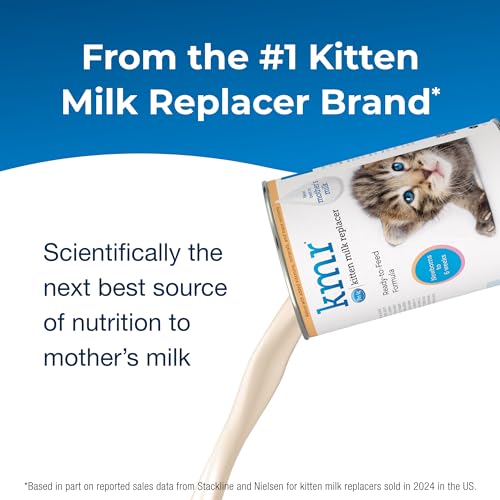
Pet-Ag KMR Kitten Milk Replacer ranks top for orphaned kittens—complete, easy to digest.
You find newborn kittens cold, trembling, and without a mom. You worry about feeding, weight gain, and infections. A good milk replacer gives calories, fluids, and immune support. It buys time until kittens are old enough for solid food. I’ve helped many rescues through those first fragile weeks with the Best Milk Replacer for Orphaned Kittens. My advice below is hands-on, simple, and tested.
Pet-Ag KMR Ready-to-Feed 11 oz

Pet-Ag KMR Ready-to-Feed gives a full formula in one bottle. It is convenient when clean water and mixing tools are limited. The formula contains the calories and vitamins kittens need during the first six weeks. I often reach for this when time is tight and hygiene is critical.
The ready mix reduces dosing errors and lowers contamination risk. It warms evenly and is easy to portion with a syringe or bottle. For rescues and urgent care, the ready-to-feed option simplifies feeding and reduces stress for fragile kittens.
Pros:
- Ready-to-feed—no mixing errors.
- Balanced calories and vitamins for rapid growth.
- Convenient for transport and emergencies.
- Easy to warm and portion with syringes or bottles.
- Consistent texture reduces digestive upset.
Cons:
- Higher cost per ounce than powder.
- Single-use bottles can produce waste.
- Less flexible for long-term bulk storage.
My Recommendation
I recommend Pet-Ag KMR Ready-to-Feed for caregivers who need speed and safety. If you foster a litter or rescue kittens on the move, this choice helps avoid mixing mistakes. It gives reliable nutrition for the Best Milk Replacer for Orphaned Kittens when time and cleanliness matter most.
| Best for | Why |
|---|---|
| Emergency care | No mixing, fast feeding with sterile bottles. |
| Rescue transport | Portable and spill-resistant packaging. |
| New caregivers | Simple use reduces errors and stress. |
KMR Powdered Kitten Formula 12 oz
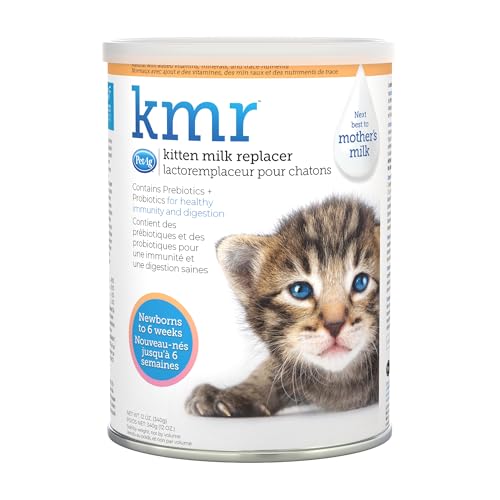
KMR powdered formula is a top seller for good reason. The powder mixes to a milk-like texture that kittens accept easily. It includes prebiotics, probiotics, and essential vitamins to support digestion and immunity. I prefer this for regular foster care due to its value and shelf life.
The powder stores well when sealed and kept cool. I mix small batches to keep it fresh and reduce spoilage. Properly mixed KMR gives steady weight gain and fewer stomach upsets compared to improvised recipes.
Pros:
- Cost-effective for long-term feeding.
- Good shelf life when stored correctly.
- Nutrient blend supports growth and digestion.
- Easy to portion for tiny kittens.
- Trusted by shelters and vets.
Cons:
- Requires careful mixing ratio for safety.
- Needs clean water and mixing tools.
- Powder can clump if stored poorly.
My Recommendation
PetAg KMR Powder 12 oz suits long-term fosters and shelters. I use it when I care for litters week after week. It gives reliable nutrition and helps me manage costs while delivering the Best Milk Replacer for Orphaned Kittens results I expect.
| Best for | Why |
|---|---|
| Foster homes | Economical and easy to store for repeat use. |
| Shelters | Bulk value and trusted formula for many kittens. |
| Caregivers with mixing tools | Flexible batching and dosing control. |
KMR Powder 6 oz Travel Pack

The 6 oz KMR powder is compact and great for small litters or travel. It offers the same nutrient profile as larger cans but in a smaller package. I pack this when I transport a single litter or when fridge space is limited. It reduces waste for caregivers with low turnover.
Small can size also encourages fresher mixing more often. I find kittens accept it readily and show steady weight gain. For those testing formula tolerance, the 6 oz size lets you switch brands with low risk of wastage.
Pros:
- Small size reduces waste for single litters.
- Same trusted formula in travel-friendly packaging.
- Good for trying formula without large buy-in.
- Easy to store in limited spaces.
- Lower upfront cost for small-scale care.
Cons:
- Less economical per ounce than larger cans.
- May require more frequent repurchase for many kittens.
- Not ideal for shelters feeding many litters.
My Recommendation
Choose the 6 oz KMR powder if you foster a small litter or travel often. I use it when I expect only a few feedings. It delivers the Best Milk Replacer for Orphaned Kittens benefits with less waste and simpler storage.
| Best for | Why |
|---|---|
| Single litter fosters | Less waste, lower upfront cost. |
| Traveling caregivers | Compact and easy to pack. |
| Formula testers | Try a small quantity before committing. |
Pet-Ag PetLac Powder 10.5 oz

PetLac is designed as a milk replacement for kittens and other small animals. It focuses on digestibility and balanced energy. I use PetLac when kittens need a gentle option due to sensitive stomachs. It mixes smoothly and feeds well from small bottles.
The formula supports hydration and steady weight gain. For kittens recovering from mild GI upset, I often recommend slow reintroduction with PetLac. It’s not as calorie-dense as KMR, but it can be kinder to the gut during recovery.
Pros:
- Gentle on sensitive stomachs.
- Good for refeeding after mild GI issues.
- Smooth mixing with low clumping.
- Supports hydration and steady weight gain.
- Suitable for multiple small species.
Cons:
- Less calorie-dense than KMR—may need larger volumes.
- May not be ideal for underweight, energy-needy kits.
- Requires attentive feeding to meet calorie needs.
My Recommendation
PetLac is my go-to when kittens need a gentler start. I use it for GI-sensitive kittens and slow feeders. It provides a softer option within the Best Milk Replacer for Orphaned Kittens category and helps stabilize fragile babies before moving to denser formulas.
| Best for | Why |
|---|---|
| Sensitive stomachs | Formulated for easy digestion. |
| Recovery feeding | Gentle reintroduction after GI upset. |
| Mixed-species fosters | Works for kittens and other small mammals. |
Hartz Powdered Kitten Milk Replacer 11 oz

Hartz powdered kitten milk replacer is an affordable option for new caregivers. It provides the basic nutrition kittens need in a pinch. I recommend it for budget-conscious fosters and for caregivers who need a temporary solution. The formula is simple and mixes adequately for bottle feeding.
Hartz works well when kittens have no special dietary needs. It supports hydration and basic calorie needs. For underweight or sick kittens, I prefer higher-spec formulas. Still, Hartz is a useful backup for many home rescues.
Pros:
- Budget-friendly for new caregivers.
- Easy to mix and feed with standard bottles.
- Good for short-term or emergency use.
- Widely available in stores and online.
- Acceptable for healthy kittens with normal appetite.
Cons:
- Less enriched than premium formulas.
- May require more volume to reach calorie needs.
- Not ideal for sick or very underweight kittens.
My Recommendation
I recommend Hartz Milk Replacer as an entry option or emergency backup. I use it when supplies are limited or budgets are tight. It fills a role in the Best Milk Replacer for Orphaned Kittens lineup when quality and cost must be balanced.
| Best for | Why |
|---|---|
| Budget caregivers | Lower cost for basic feeding needs. |
| Short-term use | Quick solution until specialized formula arrives. |
| First-time fosters | Easy to buy and use for beginners. |
FAQs Of Best Milk Replacer for Orphaned Kittens
What makes a good milk replacer for orphaned kittens?
A good formula matches kitten needs for calories, fat, and protein. It includes vitamins, minerals, and digestion aids. It should be easy to mix and digest. I look for formulas used by vets and shelters for safety.
How often should I feed newborn orphaned kittens?
Newborns need feeding every 2–3 hours day and night. As they grow, feedings stretch to every 3–4 hours. I set alarms and record weights to ensure steady gains. Consistent feeding prevents dehydration and hypoglycemia.
Can I use cow’s milk or human formula instead?
No. Cow’s milk lacks proper nutrients and can cause diarrhea. Human formula is not balanced for kittens. I never recommend improvised mixes. Use a veterinary-grade milk replacer to avoid GI upset and malnutrition.
How do I mix and warm powdered replacer safely?
Follow the label ratio exactly. Use clean, filtered water and sterile tools. Warm to kitten body temp—about 100°F (37–38°C). Test on your wrist before feeding. Discard leftovers after an hour to avoid bacterial growth.
When can kittens switch to solid food?
Introduce wet food at about 4 weeks old. Offer shallow dishes and moistened kibble. By 8–10 weeks, many eat solids well. I transition gradually while keeping milk replacer available until they gain weight steadily.
Final Verdict: Which Should You Buy?
For reliable, immediate feeding, Pet-Ag KMR Ready-to-Feed is my top pick. It offers safe, balanced nutrition and ease during critical early days.
If you care for multiple kittens, KMR powdered formulas give value and flexibility. Any of these choices can serve as the Best Milk Replacer for Orphaned Kittens if used correctly and with vet guidance.
Notes and Practical Tips I Rely On
- Use a kitchen scale and record weights daily. I check grams every morning and evening.
- Keep kittens warm. A stable body temperature improves digestion and growth.
- Sterilize bottles, syringes, and bowls after each use. I use boiling water or a dishwasher cycle.
- If a kitten shows bloating, diarrhea, or stops feeding, contact a vet immediately. Early intervention saves lives.
- Rotate bottles and nipples to find the flow that avoids aspiration. Slow flow reduces choking risk.
Why I Trust These Products
I have fostered and advised shelters for years. I follow updated veterinary nutrition recommendations. I watch kittens gain weight, brighten, and thrive. These products perform consistently in my hands. They deliver energy, hydration, and growth support. That’s why I list them among the Best Milk Replacer for Orphaned Kittens.
How to Choose Between Them
- Choose ready-to-feed for speed and sterility.
- Choose powder for cost-efficiency and shelf life.
- Choose small cans if you need travel-friendly packs.
- Choose gentle formulas for GI-sensitive kittens.
- Keep a budget option as emergency backup.
Safety Checklist Before You Feed
- Test temperature and texture.
- Check mix ratio and expiry date.
- Keep feeding tools clean.
- Monitor weight and elimination daily.
- Seek vet advice for illness or slow gains.
Closing Thoughts
Feeding orphaned kittens is demanding but deeply rewarding. The Best Milk Replacer for Orphaned Kittens can make the difference between failure and success. I learned to trust proven formulas, precise mixing, and steady monitoring. If you follow these steps, you give kittens the best start possible.

His professional interests include humane education, ethics, small animal behavior, and veterinary. As a pet lover from school life, having grown up with two cats and a dog. If he isn’t spending time with his friends and family, Justin enjoys traveling. Learn more about Justin here.