A balanced diet directly shapes a cat’s coat shine, skin health, and resistance to irritation.
I have worked with feline nutrition cases for years and seen firsthand how small diet changes can transform fur and skin. Here I will explain how diet impacts cat’s coat and skin with clear, research-backed guidance, practical feeding strategies, and real-life tips you can use today.
Expect simple explanations, actionable steps, and the confidence to make better food choices for your cat’s skin and coat health.
Why diet matters: the link between food, skin, and fur
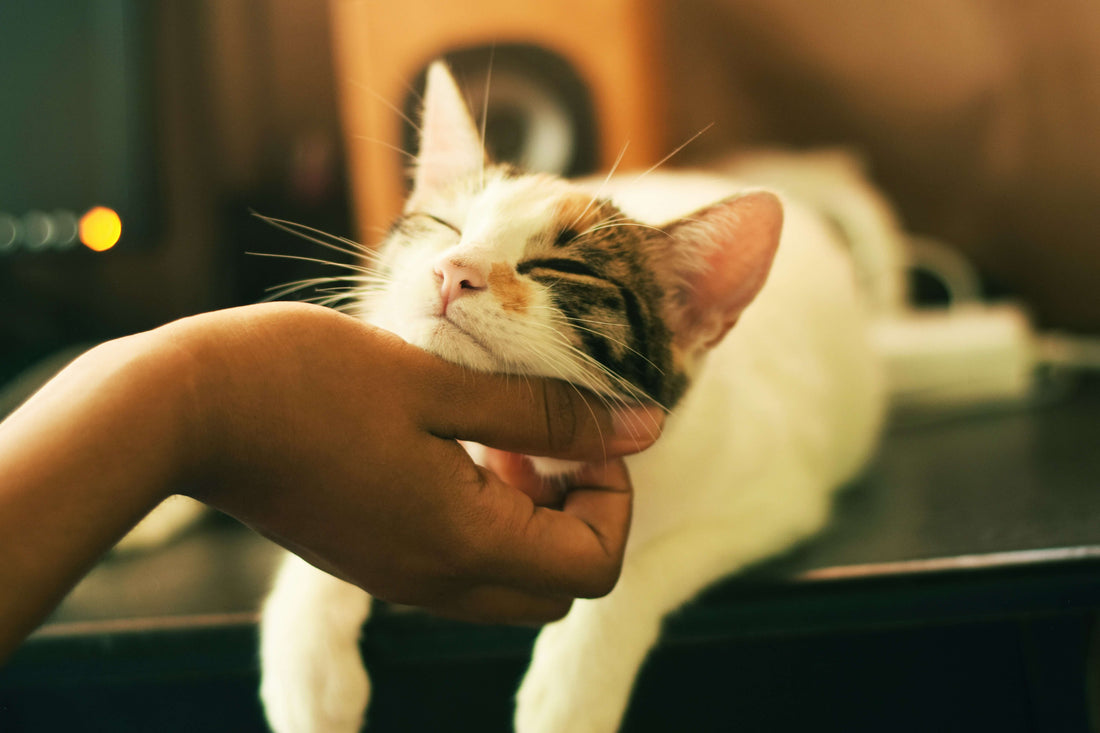
A cat’s skin and coat reflect what it eats. Nutrients support hair growth, oil balance, and the skin barrier. When nutrition is poor, you may see dull fur, dry skin, or excessive shedding.
How Diet Impacts Cat Coat and Skin starts with basics. Feed the right balance of protein, fats, vitamins, and water to give the skin what it needs. Proper food reduces itch, improves shine, and helps prevent infections.

Source: concordpetfoods.com
Key nutrients that influence coat and skin
Certain nutrients are essential for healthy fur and skin. Focus on these in any feeding plan.
- Protein supports hair growth and repair. Cats need high-quality animal protein for keratin.
- Essential fatty acids, especially omega-3 and omega-6, control skin inflammation and oiliness.
- Vitamins A, E, and B-complex help cell turnover, barrier function, and coat sheen.
- Minerals such as zinc and copper aid hair structure and skin healing.
- Water keeps skin hydrated from the inside and prevents flaking.
How Diet Impacts Cat Coat and Skin depends on meeting these needs daily. Missing one key nutrient can show up as coat changes within weeks.
Protein: the building block of fur
Cats are obligate carnivores. They need animal protein to make keratin. Keratin is the structural protein in hair. Low protein diets can cause thinning or brittle fur.
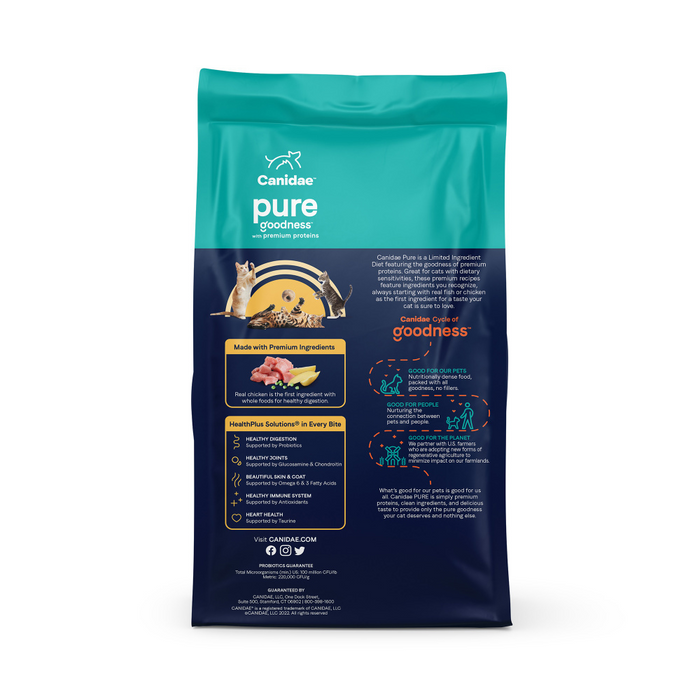
Aim for diets where animal protein is a primary ingredient. Look for specific proteins (chicken, turkey, fish) rather than vague terms. High digestibility matters. I’ve seen rescue cats regain thick coats after switching to a higher-protein formula within 6–8 weeks.
Source: concordpetfoods.com
Fats and essential fatty acids: oil balance and shine
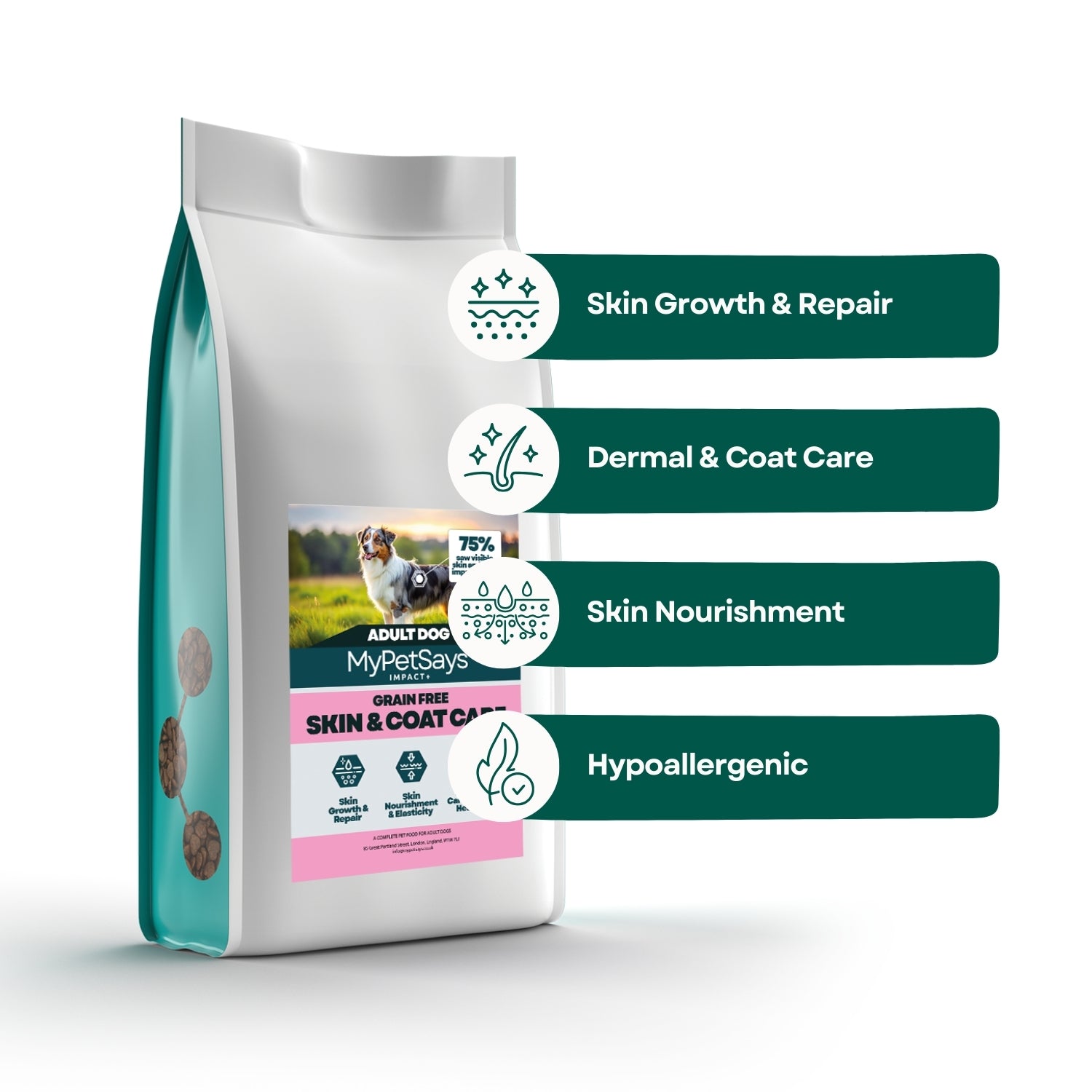
Fats do more than provide energy. They make skin supple and fur glossy. Omega-3 fatty acids reduce inflammation. Omega-6 fatty acids support the skin barrier.
Good sources include fish oil, flaxseed oil (less ideal for cats due to limited conversion), and animal fats. Supplementing fish oil is a common and effective step. In practice, a small daily dose of EPA and DHA often improves shine and reduces dandruff within a month.
How Diet Impacts Cat Coat and Skin improves when omega balance is correct. Too much omega-6 without omega-3 can promote inflammation.
Source: co.uk
Vitamins and minerals: small but powerful
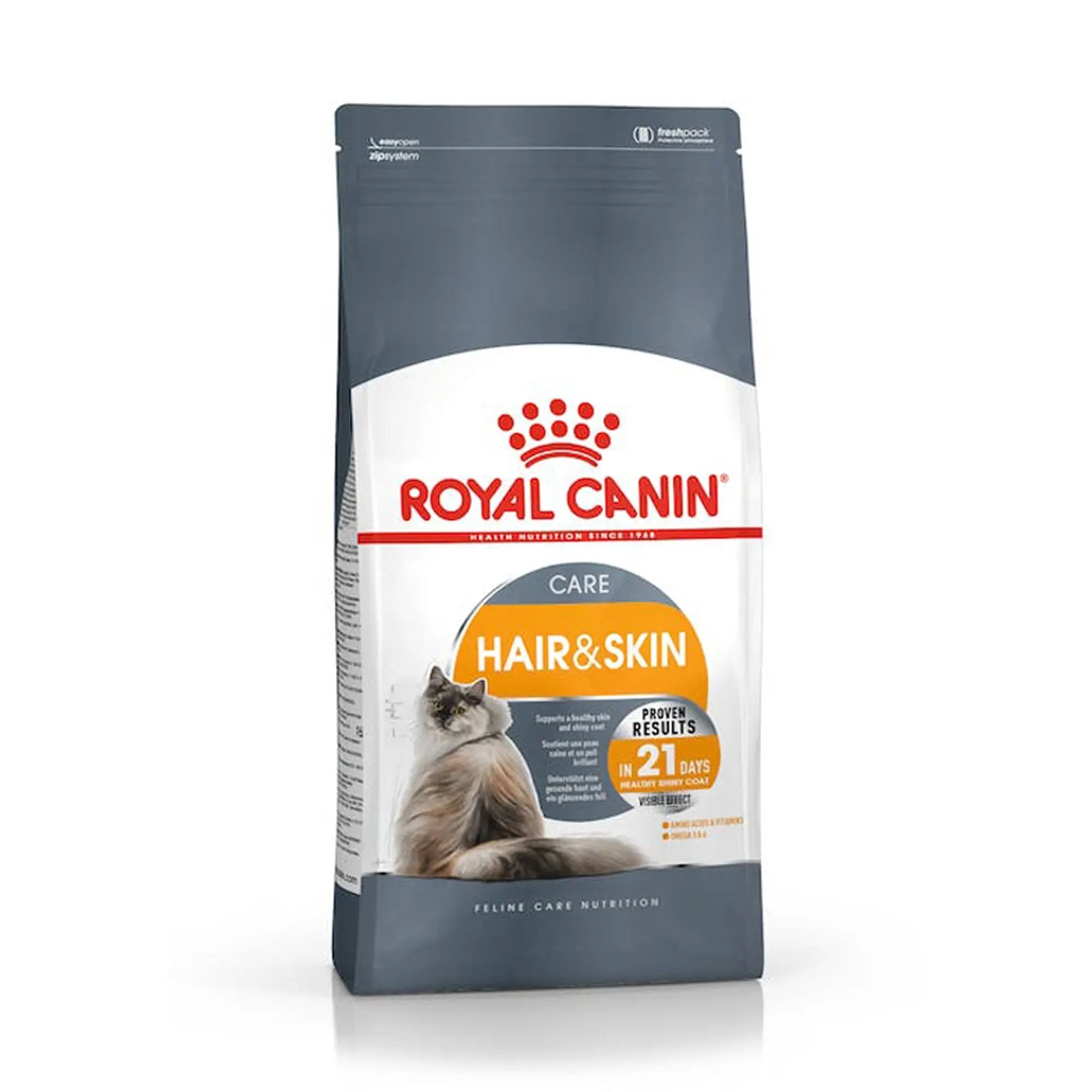
Vitamins and minerals work behind the scenes. They affect cell health and hair structure.
- Vitamin A helps maintain skin cells and oil glands.
- Vitamin E is an antioxidant that protects skin from oxidative damage.
- B vitamins support metabolism and coat quality.
- Zinc and copper are critical for hair pigment and strength.
Deficiencies are uncommon with quality commercial diets. Homemade or unbalanced diets often lack these elements. If you prepare food at home, consult a feline nutritionist to avoid shortfalls.
Source: petsyjo.com
Hydration and food form: wet vs dry
Water intake affects skin hydration. Cats often drink little water. Wet food boosts hydration and can improve skin moisture.
- Wet food provides fluid in each meal.
- Dry food can be balanced but may not supply enough moisture.
- Adding water or broth to meals helps short-term.
How Diet Impacts Cat Coat and Skin is easier to manage when a cat gets adequate water. I advise pet owners to include wet meals and fresh water sources to help sensitive skin.

Source: trappybites.com
How commercial diets compare: reading labels and choosing food
Not all cat foods are equal. Ingredients, nutrient ratios, and processing matter.
- Look for named animal proteins first on the ingredient list.
- Check guaranteed analysis for protein and fat percentages.
- Find diets formulated for skin and coat that include omega-3s and zinc.
- Avoid foods with excessive fillers or ambiguous “meat by-products.”
When selecting food, consider life stage and health conditions. For cats with skin problems, hypoallergenic or limited-ingredient diets can help isolate triggers. How Diet Impacts Cat Coat and Skin often begins with a label check and a trial of a higher-quality food.

Source: vivapets.com
Food allergies and sensitivities: diet as diagnosis and therapy
Food reactions can cause itchy skin, redness, and chronic ear problems. Common triggers include beef, dairy, and fish.
- An elimination diet helps identify culprits by feeding novel protein and carbohydrate sources for 8–12 weeks.
- Work with a vet to rule out parasites and infections first.
- If skin improves on the elimination diet, reintroduce ingredients one at a time to test reactions.
How Diet Impacts Cat Coat and Skin includes diagnosing food sensitivities when standard treatments fail. Many cats improve significantly with targeted changes.

Source: canidae.com
Supplements: when and how to use them
Supplements can fill gaps but are not a cure-all. Use them carefully.
- Fish oil supplements provide EPA and DHA for inflammation control.
- Zinc supplements may help with certain skin disorders under veterinary guidance.
- Biotin and B vitamins can support hair condition in some cases.
Always consult your veterinarian before adding supplements. Excesses can harm a cat. I have seen positive results with short-term fish oil use, but overuse caused weight gain in one patient.
How Diet Impacts Cat Coat and Skin is often enhanced by smart supplementation, not by indiscriminate use.
Monitoring progress and when to seek help
Track changes in coat and skin when you alter diet. Look for shine, reduced shedding, and less scratching.
- Take photos every 2–4 weeks to document progress.
- Note changes in stool, appetite, or energy as signs of tolerance.
- If there is no improvement after 8–12 weeks, consult your vet for tests.
Skin issues can be multifactorial. Parasites, glands, and systemic disease can mimic dietary problems. How Diet Impacts Cat Coat and Skin should be part of a broader diagnostic plan.
Practical feeding plan and checklist
A simple plan helps implement changes safely.
- Choose a high-quality, animal-protein-first diet.
- Add wet food or increase water intake.
- Ensure the diet includes omega-3s and adequate vitamins and minerals.
- Try a limited-ingredient or hypoallergenic diet if allergy is suspected.
- Use supplements only with vet approval.
- Monitor results for 8–12 weeks and document progress.
Stick to one change at a time. Rapid multiple changes make it hard to know what worked. How Diet Impacts Cat Coat and Skin is clearer with a methodical approach.
Personal insights and common mistakes
From my experience, owners often switch foods too rapidly or rely on supplements without vet input. I once guided a family who rotated six diets in three months. The cat’s skin never improved until we settled on one balanced diet and added fish oil.
Common mistakes to avoid:
- Switching foods frequently without a plan.
- Picking diets based only on price or packaging claims.
- Skipping veterinary checks for persistent skin problems.
How Diet Impacts Cat Coat and Skin responds best to patience, good food, and proper testing. Small, consistent changes yield the best results.
Frequently Asked Questions of How Diet Impacts Cat Coat and Skin
What nutrients most affect my cat’s coat shine?
Protein and essential fatty acids are the most influential nutrients. Vitamins and minerals like vitamin E, zinc, and biotin also play strong supporting roles.
Can changing food stop my cat from scratching?
Yes, if the scratching is caused by a dietary sensitivity or deficiency. However, parasites and allergies must be ruled out by a veterinarian.
How long until I see changes after a diet change?
Expect initial improvement within 4–8 weeks and clearer results by 8–12 weeks. Hair growth cycles mean full recovery can take several months.
Are fish oils safe for all cats?
Fish oils are generally safe but should be given at recommended doses and under vet guidance. They can interact with medications and cause weight gain if overused.
Is wet food better than dry for skin health?
Wet food helps with hydration and can improve skin moisture. Both wet and dry diets can be balanced, but wet food often benefits cats prone to dry skin.
Conclusion
Diet is a powerful, practical tool to improve a cat’s coat and skin. Focus on high-quality protein, balanced fats, essential vitamins and minerals, and adequate hydration. Test changes methodically, monitor progress, and work with your veterinarian when problems persist. Take action today by reviewing your cat’s food label, increasing hydration, or scheduling a vet consult to create a targeted plan.
Consider trying one clear change this week—swap a meal to wet food or add a vet-approved fish oil—and track improvements. Share your results, ask questions, or subscribe for more feline nutrition guidance.

His professional interests include humane education, ethics, small animal behavior, and veterinary. As a pet lover from school life, having grown up with two cats and a dog. If he isn’t spending time with his friends and family, Justin enjoys traveling. Learn more about Justin here.